Home Blog Page 9

General Yahaya Flags Off Over ₦10 bn Wamakko–Bunkari Road Project in Sokoto

From Muhammad Gazali Garba

Former Chief of Army Staff, General Faruk Yahaya (Rtd.), on Saturday flagged off the reconstruction of the 23 kilometres Wamakko–Bunkari Road in Wamakko Local Government Area of Sokoto State, describing the project as a major investment in rural development, economic growth and security.

The project, valued at ₦10,472,363,052.00, is being executed through a partnership between the Sokoto State Government and the Rural Access and Agricultural Marketing Project (RAAMP).

The 23-kilometre road links the communities of Boyenlaka, Huci, Danken, Lagau, Diddiba and Bunkari.

It is expected to improve transportation, facilitate the movement of agricultural produce, boost commercial activities and provide easier access to markets, schools and healthcare facilities.

Speaking at the flag-off ceremony, Governor Ahmed Aliyu said the project underscores his administration’s commitment to inclusive development, rural prosperity and agricultural transformation.

He said that since assuming office, his administration has attached the highest priority to infrastructure development, particularly road construction, resulting in the successful construction and commissioning of numerous township and rural roads across the state to improve transportation, stimulate economic activities and enhance the socio-economic well-being of the people.

The governor recalled that the Wamakko–Bunkari Road was originally initiated and awarded during the administration of former Governor, Senator Aliyu Magatakarda Wamakko, but received little attention under the succeeding administration.

According to him, the difficult terrain and prolonged neglect left many sections of the road in a deplorable condition, with several stretches becoming virtually impassable, thereby affecting agricultural production, commercial activities and the livelihoods of communities along the corridor.

Governor Aliyu said the collaboration between the Federal Government, the World Bank, RAAMP and the Sokoto State Government had made the reconstruction of the road possible, describing the partnership as a demonstration of confidence in his administration’s commitment to delivering projects that directly impact the lives of the people.

He described the project as more than just a road, saying it is a strategic investment in the future of Sokoto State that will improve access to markets, reduce transportation costs, strengthen agricultural productivity, connect rural communities and stimulate sustainable economic growth across the benefiting areas.

The governor expressed appreciation to the World Bank and RAAMP for supporting the project and directed the contractor, consultants and supervising engineers to ensure strict compliance with project specifications and timely completion.

He also thanked President Bola Ahmed Tinubu for his continued support for infrastructure development and rural transformation across the country.

In his remarks, General Yahaya expressed gratitude to Governor Ahmed Aliyu for inviting him to perform the foundation-laying ceremony and commended the administration’s commitment to infrastructure development and the delivery of democratic dividends.

He noted that the governor’s investments in road construction, education, healthcare, agriculture and water supply had significantly improved the living conditions of the people of Sokoto State.

The retired Army Chief described the Wamakko–Bunkari Road as a strategic infrastructure project capable of boosting agricultural production, facilitating trade and strengthening the rural economy.

He also highlighted the security importance of quality road infrastructure, noting that good roads enhance security operations, improve emergency response and facilitate the rapid deployment of security personnel during emergencies.

General Yahaya urged the contractor to execute the project in accordance with approved specifications and complete it within the stipulated timeframe, while calling on residents of the benefiting communities to protect and safeguard the road upon completion.

Earlier, the Chairman of Wamakko Local Government, Alhaji Umar Ahmad, commended the state government for its sustained commitment to the development of the area, describing the project as another milestone in the administration’s efforts to improve rural infrastructure.

Also speaking, the representative of the Sultan of Sokoto and Baraden Wamakko, Alhaji Ahmed Barade, praised the initiative, saying it would improve transportation, stimulate agricultural and commercial activities and enhance the socio-economic well-being of residents. He urged communities to support the project and prayed for its successful completion.

The Special Adviser to the Governor on Rural Roads, Hon. Malami Muhammad Galadanci, disclosed that the state government is currently executing over 1,000 kilometres of rural roads across Sokoto State, with many projects already completed while others are at various stages of execution.

He said the massive investment in rural road infrastructure had improved access to remote communities, enhanced agricultural productivity and expanded economic opportunities across the state.

The flag-off ceremony was attended by the leader of the All Progressives Congress (APC) in Sokoto State, Senator Aliyu Magatakarda Wamakko; Member representing Wamakko and Kware federal constituency,Hon Ahmed kalambaina, Member representing Bodinga, Dange Shuni and Tureta federal constituency,Alhaji Nasiru Shehu, Secretary to the state government,Alhaji Muhammad Bello Sifawa,commissioners, special advisers, local government chairmen, traditional rulers, political leaders, community representatives and residents of the benefiting communities.
Gov. Ahmed Aliyu Commends Quality of Gada Market Project, Orders Contractor to Accelerate Completion

From Muhammad Gazali Garba

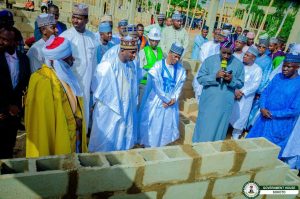
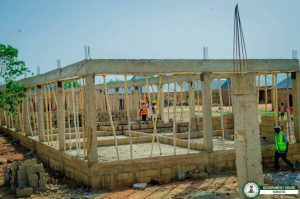
Governor Ahmed Aliyu of Sokoto State has expressed satisfaction with the quality of work being executed on the ongoing Gada Market project in Gada Local Government Area, while expressing displeasure over the slow pace of execution and directing the contractor to expedite work to ensure its completion within the stipulated timeframe.

The Governor gave the directive during an inspection visit to the project site as part of his assessment tour of ongoing government projects in Gada Local Government Area.

Speaking after inspecting the project, Governor Aliyu said he was impressed with the quality of construction, describing the standard of work as commendable and in line with his administration’s commitment to delivering durable and people-oriented infrastructure.

“I am impressed with the quality of what I have seen. The standard of construction is commendable,” the Governor said.

He, however, expressed dissatisfaction with the pace of work, describing the delay as unacceptable.

According to him, based on the briefing he received, all financial obligations expected from the State Government had already been fulfilled, stressing that there was no justification for the contractor not to intensify work on the project.

Governor Aliyu noted that the Gada Market project is a major economic initiative that will transform commercial activities in the area upon completion.

He explained that the market would boost trade and commerce, stimulate economic growth, improve internally generated revenue, and provide sustainable means of livelihood for traders and residents of Gada Local Government Area.

The Governor stressed that because of the enormous socio-economic benefits of the project, his administration would not tolerate unnecessary delays, insisting that contractors handling government projects must deliver quality work within the agreed timeframe.

He therefore directed the contractor, consultants, and the supervising department to redouble their efforts to ensure the speedy completion of the project.

Governor Aliyu reaffirmed his administration’s commitment to providing quality infrastructure across Sokoto State, assuring the people that all ongoing projects would continue to receive close supervision to guarantee quality, accountability, value for money, and timely delivery.

Earlier, the Special Adviser to the Governor on Rural Roads, Hon. Malami Muhammad Galadanci, said the inspection visit underscored the Ahmed Aliyu administration’s commitment to ensuring that all ongoing projects are executed according to approved specifications and completed on schedule.

Galadanci disclosed that before the coming of the present administration, trading activities at the Gada Market were conducted in an open field without permanent structures or modern facilities, exposing traders and their goods to harsh weather conditions and making business activities difficult.

He explained that Governor Ahmed Aliyu approved the construction of a modern market to provide a conducive environment for traders and enhance economic activities in the area.

According to him, the market comprises four major sections, including dedicated sections for onion, garlic and grains, as well as a modern abattoir to improve livestock processing and meat hygiene.

The Special Adviser further disclosed that the contractor has so far attained between 48 and 50 per cent completion of the project. He added that the Sokoto State Government has fully settled all payments due to the contractor and is not owing him any outstanding funds.

Galadanci expressed optimism that the contractor would mobilise additional resources to the site and accelerate work to ensure the project’s completion within the stipulated timeframe, in line with Governor Ahmed Aliyu’s directive.

He added that upon completion, the market would provide modern trading facilities, promote agricultural produce marketing, strengthen commercial activities, create employment opportunities, increase the state’s internally generated revenue, and significantly improve the livelihoods of traders and residents of Gada Local Government Area.

As part of the inspection tour, Governor Ahmed Aliyu also visited the ongoing construction of the Kaffe-Tse-Tse Road and the Ila Gari–Tabanni Road projects, where he assessed the quality and pace of work and reiterated his administration’s commitment to delivering durable road infrastructure that will improve connectivity, facilitate the movement of people and goods, and stimulate economic activities in rural communities.

The Governor also inspected the ongoing construction and upgrading of the Gada General Hospital, where he received briefings on the progress of work.

He reaffirmed his administration’s determination to strengthen the healthcare sector through the provision of modern medical facilities and improved healthcare services for the people of Gada Local Government Area and Sokoto State as a whole.

The Governor was accompanied on the visit by the Senator representing Sokoto North senatorial district, Senator Aliyu Magatakarda Wamakko,Minister of State works,Barrister Bello Muhammad Goronyo, the Emir of kauran Namoda,Rtd Major,Sanusi Asha, Commissioners, Special Advisers,Local government chairmen among other government functionaries.

DRUG ABUSE: EVERYONE’S RESPONSIBILITY

By Sani Umar

Drug abuse and substance misuse have become some of the most pressing social and public health challenges confronting nations across the world. From developed to developing countries, governments and international organizations are intensifying efforts to curb the growing menace, which has assumed alarming proportions and continues to threaten the stability and progress of societies.

The reasons behind the increasing involvement in drugs and other psychoactive substances vary from one individual to another. For some, substance use is wrongly perceived as a symbol of sophistication, affluence, or social status, while others resort to drugs due to peer pressure, emotional distress, unemployment, or a desire to escape life’s challenges. Unfortunately, what often begins as experimentation gradually develops into dependency and addiction, leading many into a cycle of destruction.

The consequences of drug abuse are devastating. Countless young people have lost promising futures, abandoned their education and careers, damaged family relationships, and in many cases suffered severe mental and physical health complications. Addiction frequently results in loss of productivity, involvement in criminal activities, and the erosion of moral and social values.

Perhaps even more troubling is the fact that most victims of drug abuse belong to the productive segment of the population, the very age group whose energy, creativity, and skills are needed for national growth and development.

As a result, countries are increasingly grappling with reduced productivity, rising crime rates, and mounting healthcare costs associated with rehabilitation and treatment.

The burden of addressing drug abuse extends beyond the individual. Families, communities, and governments are spending enormous resources on rehabilitation programmes, medical care, and social interventions aimed at rescuing victims and reintegrating them into society.

Equally disturbing is the growing trend of illicit drug trafficking and the misuse of prescription and medicinal drugs for intoxication, further compounding the problem.

It is against this disturbing reality that the Sokoto State Governor, Ahmed Aliyu, raised his voice and called for urgent and collective action to tackle the scourge of drug abuse and illicit trafficking. His message during the commemoration of the 2026 United Nations International Day Against Drug Abuse and Illicit Trafficking goes beyond the routine statements usually made on such occasions. It reflects a deep concern about the future of young people and the social consequences of allowing drug abuse to spread unchecked.

The governor’s position is both practical and insightful. He believes that the fight against drug abuse cannot be left solely in the hands of security agencies or the National Drug Law Enforcement Agency (NDLEA). Rather, it requires the participation of every segment of society.

Parents must pay greater attention to the upbringing of their children and monitor their associations. Teachers and educational institutions should intensify guidance and counselling efforts, while religious and traditional leaders must continue to use their influence to preach against substance abuse and promote moral values.

Governor Aliyu also recognizes the important role of healthcare professionals, civil society organizations, community leaders, and the media in combating the menace. Through awareness campaigns, education, rehabilitation programmes, and continuous public enlightenment, these stakeholders can help prevent drug abuse and support those already trapped in addiction.

His concern extends beyond drug consumption to the growing threat of illicit drug trafficking, which has become an international criminal enterprise with devastating local consequences. The trafficking of illicit substances fuels organized crime, increases insecurity, and makes dangerous drugs more accessible to vulnerable groups, particularly young people.

Perhaps the most significant aspect of the governor’s intervention is that his administration has gone beyond mere rhetoric. By establishing the Office of the Senior Special Assistant on Substance Abuse Control and Prevention, the government has created an institutional framework dedicated to coordinating awareness campaigns, collaborating with relevant agencies and organizations, and carrying out sensitization programmes across communities and local government areas.

This initiative demonstrates an understanding that prevention is as important as enforcement. A society that fails to educate its people about the dangers of substance abuse will continue to produce new victims regardless of how many traffickers are arrested. Likewise, those who have already fallen victim to addiction need rehabilitation and support rather than condemnation and abandonment.

Governor Ahmed Aliyu’s message therefore represents a call to collective responsibility. It is a reminder that drug abuse is not merely a criminal issue but a social, economic, and moral challenge that threatens the future of society itself. The destruction of one young person through drugs is not only a personal tragedy but also a loss of human capital and a setback to national development.

The governor’s position underscores an important truth, which is protecting future generations requires a united front. Governments can formulate policies and provide resources, but families, communities, religious institutions, schools, and the media must also play their respective roles. Only through sustained awareness, effective prevention strategies, rehabilitation programmes, and a collective determination to eradicate illicit trafficking can society break the devastating grip of drug abuse.

In raising this alarm, Governor Ahmed Aliyu is essentially calling on society to save its future by saving its youth. His message is timely, his concerns are genuine, and his proposed solution, collective action, remains perhaps the most effective weapon in the fight against one of the most dangerous social challenges of our time.

SARKIN KIYAWAN KAURA NAMODA COMMISSIONS GADA CENTRAL JUMU’AT MOSQUE AS GOV. ALIYU REAFFIRMS COMMITMENT TO ISLAMIC DEVELOPMENT

From Muhammad Gazali Garba

The Sarkin Kiyawan Kaura Namoda, Dr. Sanusi Muhammad Asha, on Tuesday commissioned the newly renovated and remodelled Gada Central Jumu’at Mosque in Gada Local Government Area of Sokoto State, as part of activities marking the third anniversary of Governor Ahmad Aliyu’s administration.

Speaking at the commissioning ceremony attended by traditional rulers, Islamic scholars, government officials and a large gathering of worshippers, Governor Ahmad Aliyu said the completion of the mosque demonstrates his administration’s commitment to completing inherited projects and promoting the development of Islam across Sokoto State.

According to the governor, the remodelling and expansion of the mosque commenced during the administration of former Governor Aliyu Magatakarda Wamakko but was abandoned by the succeeding administration before his government revived and completed the project.

“The upgrading and remodelling of this mosque commenced during the administration of former Governor Aliyu Magatakarda Wamakko. Unfortunately, the administration that succeeded it neglected the project. When we assumed office, we decided not only to complete it but also to expand and upgrade it into a befitting place of worship for the Muslim Ummah,” he said.

Governor Aliyu explained that the project reflects his administration’s determination to complete all inherited projects that will positively impact the lives of the people, particularly those that promote religious development.

He described the promotion of Islamic affairs as the second pillar of his administration’s Nine-Point Agenda, noting that his government has remained steadfast in strengthening religious institutions across the state.

The governor disclosed that since assuming office, his administration has completed and commissioned 43 model Jumu’at mosques across Sokoto State, while another 12 are currently at various stages of completion.

He further announced that the government would soon commence the construction and remodelling of Jumu’at mosques in Isa, Sabon Birni and the historic Sheikh Usmanu Danfodiyo Jumu’at Mosque to ensure that more communities have access to conducive places of worship.

Governor Aliyu also revealed that his administration has introduced monthly operational grants for over 90 Jumu’at mosques within the Sokoto metropolis. The grants, ranging from ₦300,000 to ₦500,000, are intended to support the maintenance and smooth operation of the mosques.

He added that the government pays monthly allowances to Imams, Deputy Imams, Mu’azzins and other mosque officials in recognition of their invaluable contributions to Islam and society.

The governor further announced plans to renovate existing Islamic schools and construct new ones across the state to strengthen Islamic education and instil sound moral values in younger generations.

He also disclosed that the Sokoto State Hisbah Board has been revived to promote modesty, uphold moral values and contribute to building a cleaner, safer and more disciplined society in accordance with Islamic teachings.

Governor Aliyu reaffirmed his administration’s unwavering commitment to implementing programmes and projects that strengthen religious institutions and promote the enduring values of Islam.

He urged the management of the mosque and the people of Gada to safeguard the facility and ensure it continues to serve as a centre for worship, Islamic learning, unity, peaceful coexistence and moral upbringing.

The governor also expressed appreciation to President Bola Ahmed Tinubu for his leadership and commitment to building a stronger, more peaceful and prosperous Nigeria.

In his remarks while formally commissioning the mosque, the Sarkin Kiyawan Kaura Namoda, Dr. Sanusi Muhammad Asha, expressed gratitude to Governor Ahmad Aliyu for inviting him to perform the historic ceremony.

He described the Gada Central Jumu’at Mosque as a magnificent edifice and an enduring legacy that will serve generations of Muslims in Gada and neighbouring communities.

Dr. Asha observed that building a mosque is one of the greatest acts of charity in Islam, recalling the saying of Prophet Muhammad (SAW) that whoever builds a mosque solely for the sake of Allah will be rewarded with a house in Paradise.

He prayed that Almighty Allah would richly reward Governor Ahmad Aliyu and everyone who contributed to the successful completion of the project.

The traditional ruler commended the Sokoto State Government for its sustained commitment to promoting Islam and improving the welfare of the people.

He noted that making the promotion of Islamic affairs the second pillar of the administration’s Nine-Point SMART Agenda, after security, demonstrates a clear understanding that religion and security are closely intertwined.

According to him, peace and security provide the enabling atmosphere for people to worship Allah freely and pursue their legitimate livelihoods without fear.
Dr. Asha further praised the administration’s consistent investment in the construction and renovation of mosques and other Islamic institutions across the state.

He particularly applauded the introduction of monthly operational grants for Jumu’at mosques and the payment of regular allowances to Imams, Deputy Imams, Mu’azzins and other mosque officials, describing the initiatives as practical demonstrations of the government’s commitment to strengthening religious institutions.

Addressing the people of Gada,the Emir reminded them that a mosque is far more than a place of worship, describing it as a centre for Islamic learning, moral guidance, community development, unity and peaceful coexistence.

He therefore urged them to maintain the mosque properly, preserve its sanctity and ensure that it continues to nurture the fear of Allah, good character and brotherhood among Muslims.

Dr. Asha also called on the people to continue praying for peace, stability and prosperity in Gada Local Government Area, Sokoto State and Nigeria, while remembering their leaders in prayers so that Allah grants them wisdom, justice and sincerity in the discharge of their responsibilities.

He reminded the gathering that every individual is a leader in one capacity or another and would ultimately account before Allah for his or her responsibilities, urging everyone to discharge their duties with sincerity and the fear of Allah.

The Sarkin Kiyawan Kaura Namoda concluded by praying that Allah (SWT) would accept the mosque as an act of worship, reward everyone who contributed to its construction and make it a source of continuous blessings and Sadaqah Jariyah in this world and the Hereafter.

Earlier, the Commissioner for Religious Affairs, Professor Jabir Sani Maihula, disclosed that the mosque, built on approximately 1,100 square metres, is the second-largest mosque completed by the Ahmad Aliyu administration.

He said the completion of the project further demonstrates the government’s unwavering commitment to infrastructure development, religious advancement, Islamic education and the overall welfare of the people of Sokoto State.

Also speaking, the representative of the Sultan of Sokoto and Wazirin Sokoto, Professor Sambo Wali Junaidu, urged the people of Gada to protect and preserve the mosque, stressing that it should serve not only as a place of worship but also as a centre for promoting unity, peaceful coexistence and moral values within the community.

HOW STRATEGIC INVESTMENTS ARE TRANSFORMING THE CALIPHATE STATE

By Sani Umar

Development is not merely about constructing roads, erecting buildings, or launching projects. True development occurs when government policies and investments improve the quality of life of the people, expand opportunities, strengthen institutions, and lay the foundation for sustainable growth.

Across the world, successful governments are often judged not by the promises they make but by the positive impact they have on the lives of their citizens. It is for this reason that visionary leadership remains one of the most important ingredients of meaningful development. Leaders who understand the needs of their people and possess the courage to address them leave behind legacies that endure far beyond their years in office.

In Sokoto State, the administration of Governor Ahmed Aliyu has, over the past three years, embarked on an ambitious programme of rebuilding critical sectors of the economy and improving social services. From infrastructure and education to healthcare, agriculture, security, civil service welfare, and social support programmes, the government has pursued a development agenda aimed at repositioning the state for greater prosperity.

One of the most visible aspects of the administration’s achievements is in the area of infrastructure. Across various parts of the state, roads are being constructed and rehabilitated to improve connectivity, facilitate commerce, and ease transportation challenges. Good roads remain essential to economic growth as they enable farmers to transport produce to markets, reduce travel time, and encourage investment.

The government has also invested heavily in urban renewal projects designed to enhance the aesthetics and functionality of major towns and cities. These projects are not only improving the physical outlook of Sokoto metropolis but are also creating an environment more conducive to business and economic activity.

Education has equally remained a major focus of the administration. Recognizing that no society can develop beyond the quality of its educational system, the government has undertaken the construction and renovation of schools, provision of furniture, learning materials, and support for students pursuing higher education.

The sustained payment of scholarships and interventions aimed at improving educational infrastructure demonstrate a commitment to producing the skilled workforce needed to drive future development. Through these efforts, thousands of young people are being equipped with the knowledge and skills necessary to compete in an increasingly knowledge-driven world.

In the health sector, the administration has continued to strengthen healthcare delivery through the renovation and upgrading of hospitals and primary healthcare centres. Access to quality healthcare is a fundamental requirement for human development, and investments in the sector are helping to improve medical services for communities across the state.

The procurement of medical equipment and efforts to improve healthcare infrastructure reflect a recognition that a healthy population is essential for economic productivity and social progress.

Agriculture, the backbone of Sokoto State’s economy, has also received unprecedented attention. Given that a significant percentage of the state’s population depends on farming and livestock activities for their livelihood, investments in agriculture have far-reaching implications for poverty reduction and food security.

The government’s provision of fertilisers, improved seeds, agrochemicals, and other agricultural inputs has empowered farmers to increase productivity and improve yields. Such interventions are critical not only for supporting rural households but also for strengthening the state’s contribution to national food production.

Security remains another area where the administration has demonstrated commitment. Development can only thrive in an atmosphere of peace and stability. The government’s support for security agencies through the provision of vehicles, motorcycles, communication gadgets, and other logistics has contributed to ongoing efforts to safeguard lives and property.

By enhancing the operational capacity of security personnel, the administration is helping to create a safer environment for businesses, farmers, investors, and ordinary citizens.

Equally important is the government’s commitment to the welfare of civil servants and retirees. Understanding that the public service is the engine room of governance, Governor Ahmed Aliyu moved to restore cash allocations to Ministries, Departments, and Agencies, thereby improving their ability to function effectively.

The prompt payment of salaries and allowances has restored confidence among workers and enhanced productivity. Furthermore, the payment of gratuity arrears running into billions of naira has brought relief to thousands of retirees who had waited years to receive their entitlements.

Many retirees who once faced uncertainty are now able to meet their obligations and enjoy a more dignified retirement. The administration’s determination to continue settling outstanding liabilities while ensuring prompt payment to newly retired workers represents a significant milestone in public sector reform.

The government’s social intervention programmes have also provided support to vulnerable groups, including women, youths, and the less privileged. These initiatives reflect an understanding that development must be inclusive and that no segment of society should be left behind.

Perhaps one of the most remarkable aspects of the administration’s approach is its emphasis on continuity, accountability, and people-centred governance. Rather than pursuing development as a collection of isolated projects, the government appears focused on building systems and institutions capable of sustaining progress over the long term.

The cumulative impact of these initiatives is gradually reshaping Sokoto State. Roads are improving access and commerce. Schools are expanding educational opportunities. Hospitals are strengthening healthcare delivery. Agricultural interventions are boosting productivity. Civil servants and retirees are regaining confidence in government. Security support is enhancing stability. People displaced by insurgency are being rehabilitated and new housing units are being constructed at different locations to resettle them.

While challenges remain, as they do in every developing society, the trajectory suggests a state moving steadily toward greater development and prosperity.

As Governor Ahmed Aliyu continues to implement his administration’s agenda, the ultimate measure of success will be the extent to which these investments translate into lasting improvements in the lives of ordinary citizens. Judging by the projects and programmes already undertaken, there is growing evidence that Sokoto State is laying the foundation for a future defined not by unfulfilled promises, but by tangible progress.

The story of development in Sokoto today is therefore not merely about projects and statistics. It is a story of renewed hope, strategic leadership, and deliberate investments aimed at building a stronger, more prosperous, and more inclusive society for present and future generations.

HOW STRATEGIC INVESTMENTS ARE TRANSFORMING THE CALIPHATE STATE

By Sani Umar

Development is not merely about constructing roads, erecting buildings, or launching projects. True development occurs when government policies and investments improve the quality of life of the people, expand opportunities, strengthen institutions, and lay the foundation for sustainable growth.

Across the world, successful governments are often judged not by the promises they make but by the positive impact they have on the lives of their citizens. It is for this reason that visionary leadership remains one of the most important ingredients of meaningful development. Leaders who understand the needs of their people and possess the courage to address them leave behind legacies that endure far beyond their years in office.

In Sokoto State, the administration of Governor Ahmed Aliyu has, over the past three years, embarked on an ambitious programme of rebuilding critical sectors of the economy and improving social services. From infrastructure and education to healthcare, agriculture, security, civil service welfare, and social support programmes, the government has pursued a development agenda aimed at repositioning the state for greater prosperity.

One of the most visible aspects of the administration’s achievements is in the area of infrastructure. Across various parts of the state, roads are being constructed and rehabilitated to improve connectivity, facilitate commerce, and ease transportation challenges. Good roads remain essential to economic growth as they enable farmers to transport produce to markets, reduce travel time, and encourage investment.

The government has also invested heavily in urban renewal projects designed to enhance the aesthetics and functionality of major towns and cities. These projects are not only improving the physical outlook of Sokoto metropolis but are also creating an environment more conducive to business and economic activity.

Education has equally remained a major focus of the administration. Recognizing that no society can develop beyond the quality of its educational system, the government has undertaken the construction and renovation of schools, provision of furniture, learning materials, and support for students pursuing higher education.

The sustained payment of scholarships and interventions aimed at improving educational infrastructure demonstrate a commitment to producing the skilled workforce needed to drive future development. Through these efforts, thousands of young people are being equipped with the knowledge and skills necessary to compete in an increasingly knowledge-driven world.

In the health sector, the administration has continued to strengthen healthcare delivery through the renovation and upgrading of hospitals and primary healthcare centres. Access to quality healthcare is a fundamental requirement for human development, and investments in the sector are helping to improve medical services for communities across the state.

The procurement of medical equipment and efforts to improve healthcare infrastructure reflect a recognition that a healthy population is essential for economic productivity and social progress.

Agriculture, the backbone of Sokoto State’s economy, has also received unprecedented attention. Given that a significant percentage of the state’s population depends on farming and livestock activities for their livelihood, investments in agriculture have far-reaching implications for poverty reduction and food security.

The government’s provision of fertilisers, improved seeds, agrochemicals, and other agricultural inputs has empowered farmers to increase productivity and improve yields. Such interventions are critical not only for supporting rural households but also for strengthening the state’s contribution to national food production.

Security remains another area where the administration has demonstrated commitment. Development can only thrive in an atmosphere of peace and stability. The government’s support for security agencies through the provision of vehicles, motorcycles, communication gadgets, and other logistics has contributed to ongoing efforts to safeguard lives and property.

By enhancing the operational capacity of security personnel, the administration is helping to create a safer environment for businesses, farmers, investors, and ordinary citizens.

Equally important is the government’s commitment to the welfare of civil servants and retirees. Understanding that the public service is the engine room of governance, Governor Ahmed Aliyu moved to restore cash allocations to Ministries, Departments, and Agencies, thereby improving their ability to function effectively.

The prompt payment of salaries and allowances has restored confidence among workers and enhanced productivity. Furthermore, the payment of gratuity arrears running into billions of naira has brought relief to thousands of retirees who had waited years to receive their entitlements.

Many retirees who once faced uncertainty are now able to meet their obligations and enjoy a more dignified retirement. The administration’s determination to continue settling outstanding liabilities while ensuring prompt payment to newly retired workers represents a significant milestone in public sector reform.

The government’s social intervention programmes have also provided support to vulnerable groups, including women, youths, and the less privileged. These initiatives reflect an understanding that development must be inclusive and that no segment of society should be left behind.

Perhaps one of the most remarkable aspects of the administration’s approach is its emphasis on continuity, accountability, and people-centred governance. Rather than pursuing development as a collection of isolated projects, the government appears focused on building systems and institutions capable of sustaining progress over the long term.

The cumulative impact of these initiatives is gradually reshaping Sokoto State. Roads are improving access and commerce. Schools are expanding educational opportunities. Hospitals are strengthening healthcare delivery. Agricultural interventions are boosting productivity. Civil servants and retirees are regaining confidence in government. Security support is enhancing stability. People displaced by insurgency are being rehabilitated and new housing units are being constructed at different locations to resettle them.

While challenges remain, as they do in every developing society, the trajectory suggests a state moving steadily toward greater development and prosperity.

As Governor Ahmed Aliyu continues to implement his administration’s agenda, the ultimate measure of success will be the extent to which these investments translate into lasting improvements in the lives of ordinary citizens. Judging by the projects and programmes already undertaken, there is growing evidence that Sokoto State is laying the foundation for a future defined not by unfulfilled promises, but by tangible progress.

The story of development in Sokoto today is therefore not merely about projects and statistics. It is a story of renewed hope, strategic leadership, and deliberate investments aimed at building a stronger, more prosperous, and more inclusive society for present and future generations.

CALIPHATE AIRLINE: A NEW ECONOMIC FRONTIER FOR SOKOTO

By Sani Umar

The decision of the government of Sokoto State to establish an airline to provide air transport services to the public is not only timely, but also a strategic investment capable of improving the revenue base of the state and generating funds for critical development projects.

As global economic recession continues to pose serious challenges to governments around the world, efforts must be intensified to look inward in order to remain economically stable and financially balanced enough to meet the growing needs of the people. Across nations and sub-national governments, diversification of sources of income has become an unavoidable strategy for survival, growth, and sustainable development.

Economic instability has the capacity to weaken peace, slow down development, and increase unemployment and poverty. Governments that depend solely on federal allocations or a single source of revenue often struggle during periods of economic uncertainty. This is why many forward looking administrations are investing in sectors capable of generating long-term economic value. One of such sectors is aviation.

The airline business is a global phenomenon that contributes immensely to economic growth, trade, tourism, investment, and employment generation. Nations and cities with functional and competitive air transport systems often enjoy stronger economic activities and greater access to business opportunities. For a historic and strategic state like Sokoto State, the establishment of Caliphate Airline could become a major economic breakthrough with far reaching benefits.

Historically known as the seat of the famous Sokoto Caliphate, Sokoto occupies a unique position in Northern Nigeria. The state is not only respected for its religious and cultural heritage, but also serves as a gateway linking Nigeria with neighboring countries such as Niger and the wider West African region. Its strategic geographical location makes it highly suitable for regional air transport operations, trade connections, and movement of people and goods.

The viability of an airline in Sokoto can also be viewed from the growing commercial and governmental activities taking place in the state. As the state continues to expand in agriculture, commerce, education, healthcare, and infrastructure, the need for efficient transportation becomes increasingly important. Investors, business people, development partners, scholars, tourists, and government officials require reliable air services to move quickly and conveniently.

One major benefit the state stands to gain from the establishment of Caliphate Airline is revenue generation. A successful airline operation can contribute significantly to the internally generated revenue of the state through ticket sales, cargo operations, partnerships, airport-related services, taxes, and other commercial activities. At a time when many states are searching for alternative means of increasing revenue without overburdening citizens with taxes, aviation presents a viable and sustainable option.

The establishment of the airline would also create employment opportunities for thousands of people directly and indirectly. Pilots, engineers, cabin crew, airport personnel, administrators, ICT professionals, marketers, security personnel, and many others would find opportunities within the aviation value chain. Beyond direct employment, businesses such as hotels, transportation services, catering, tourism, and logistics would equally benefit from increased economic activities generated by the airline.

Another important advantage is the promotion of trade and investment. Investors are often attracted to places with good transportation networks because accessibility reduces the cost and stress of doing business. With an airline operating from Sokoto, the state would become more attractive to local and international investors interested in agriculture, mining, renewable energy, livestock, commerce, and manufacturing.

The airline could also greatly support agricultural development, which remains one of the major strengths of Sokoto State. Sokoto is blessed with vast agricultural potential, including livestock production, onion farming, wheat cultivation, and other agricultural activities. Efficient air cargo services would help farmers and exporters transport perishable products faster to markets within and outside Nigeria, thereby improving earnings and reducing post-harvest losses.

Tourism is another area that stands to benefit immensely. Sokoto possesses several historical and cultural sites capable of attracting visitors from different parts of the world. The presence of a state airline would improve accessibility and visibility, encouraging tourism and hospitality businesses to flourish. Religious tourism, cultural festivals, conferences, and educational visits would receive additional boost through improved connectivity.

Equally important is the prestige and strategic relevance that come with having a state backed airline. It would project the image of Sokoto State as a progressive and economically ambitious state willing to compete favorably in modern economic development. Such bold initiatives often inspire confidence among citizens and investors alike.

However, for the airline to succeed, professionalism, transparency, and sustainability must remain central to its operations. Aviation is a highly competitive and sensitive sector that requires careful planning, competent management, and adherence to international safety standards. Political interference, poor management, and lack of continuity must be avoided if the airline is to achieve long-term success.

The government must therefore ensure that experienced aviation professionals are engaged to manage the airline efficiently. Partnerships with credible investors and aviation institutions would also help strengthen operational capacity and reduce financial risks.

The establishment of Caliphate Airline represents more than just the creation of an air transport company; it is a strategic economic initiative capable of transforming the economic landscape of Sokoto State. With proper planning, transparency, and commitment, the airline could become a source of pride, prosperity, and sustainable development for the people of the state.

At a time when many governments are searching for innovative ways to strengthen their economies, the decision by the administration of Governor Ahmad Aliyu to venture into aviation may eventually prove to be one of the boldest and most visionary economic decisions in the history of modern Sokoto.

SOKOTO MARKET FIRE DISASTERS: A RECURRING TRAGEDY

By Sani Umar

The recurring fire disasters at the Sokoto Central Market have become a disturbing phenomenon, as hardly a year passes without such an incident being recorded. While some people regard these incidents as unavoidable natural occurrences, others attribute them to negligence on the part of traders and business owners operating within the market environment.

Over the years, several reasons have been advanced as causes of the persistent outbreaks. In many cases, blame is either placed on electricity supply issues or linked to circumstances believed to be beyond human control.

However, the truth must also be traced to the conduct and attitude of individuals operating within the market. While the possibility of natural causes cannot be completely ruled out in the recurring cycle of market fire disasters, there is equally the issue of the excessive quest for profit among some businessmen and traders. It is a well-known fact that every society is governed by laws, rules, and moral standards meant to regulate human activities.

In societies like Sokoto, apart from conventional laws that guide citizens’ conduct, religious beliefs also play a significant role in shaping people’s behavior, relationships, and business dealings. Religious teachings are expected to influence not only personal conduct but also fairness, honesty, and moderation in commercial activities.

Unfortunately, many religious leaders and members of the public view these repeated fire incidents as consequences of greed and the desperate pursuit of wealth by all means. The manner in which some traders inflate prices of goods beyond reasonable limits is seen as contrary to societal values and religious teachings that promote justice, fairness, and compassion in business transactions.

Beyond the issue of pricing, there is also growing concern over the careless attitude of some traders toward safety regulations within the market. Many shop owners engage in unsafe electrical connections, overload power sources, and leave appliances or generators running without proper monitoring. In some cases, traders block access routes with goods and illegally erected stalls and structures, making it extremely difficult for emergency responders and fire service personnel to gain quick access whenever fire outbreaks occur.

The problem of congestion within the market has equally worsened the situation. Open spaces and access roads meant for free movement and emergency operations have gradually been taken over by unauthorized structures and roadside stalls erected indiscriminately by traders in pursuit of more business space. This unhealthy development has not only distorted the original market layout but has also created serious safety hazards capable of aggravating the impact of fire disasters whenever they occur.

Sadly, the situation is not helped by the attitude of some market authorities who, despite claiming to be up and doing, have not done enough to enforce compliance with safety regulations and environmental standards within the market. The continued existence of illegal structures and overcrowded trading points reflects weak supervision and poor enforcement of established rules guiding market operations.

There is also the problem of poor maintenance culture and disregard for official warnings issued by relevant authorities. Instead of taking precautionary measures seriously, some traders often ignore safety instructions until disaster strikes. This attitude not only endangers their businesses and livelihoods but also threatens the lives and properties of innocent people operating within the market environment.

If the recurring fire disasters must be reduced to the barest minimum, traders, market authorities, and business owners must collectively embrace discipline, honesty, and responsibility in their daily activities. Government agencies can only provide regulations and emergency support, but lasting solutions will largely depend on strict adherence to safety standards, removal of illegal structures, decongestion of the market environment, and the willingness of all stakeholders to place public safety above personal gain and conduct their businesses with fear of God and consideration for others.

Despite the unfortunate incident, the government has remained compassionate and responsive by setting up a committee under the Acting Chairman, Barrister Ghandi Umar, mni, to verify the losses incurred by victims of the recent inferno with a view to providing support and compensation. The magnanimity of the administration of Governor Ahmed Aliyu is commendable and reflects a leadership committed to assisting citizens in times of distress.

The committee has gone round the affected areas, interacted with victims, assessed the extent of the damage, and taken inventory of the losses recorded. It is currently working on its report, which will soon be submitted to the government for necessary action.

SOKOTO EXEC COUNCIL APPROVES SEVERAL INFRASTRUCTURE AND DEVELOPMENT PROJECTS

From Muhammad Gazali Garba_

The Sokoto State Executive Council has approved several infrastructure and development projects across the state, including ₦2.2 billion for patching newly developed potholes on 36 roads to improve road safety and mobility for motorists and commuters.

The State Commissioner for Lands and Housing, Barr. Nasiru Aliyu Dantsoho, disclosed this while briefing journalists after the council meeting held at the Council Chamber, Government House, Sokoto.

He explained that the rehabilitation would cover critical roads where potholes had recently appeared, aimed at preventing further deterioration and extending the lifespan of the roads.

The council also approved ₦884.68 million for additional works on the ongoing construction of the protocol terminal at Sultan Abubakar III International Airport. Dantsoho said the works are intended to enhance facilities and improve comfort for dignitaries and other users of the terminal.

State Commissioner for Transport, Hon. Bala Kokani, said the council approved the purchase of three bulletproof Toyota Land Cruisers, two Toyota Prados, and one Toyota Coaster bus for the Office of the Governor and other official services at a cost of over ₦1.4 billion.

He added that the council approved ₦438 million for the procurement of six new buses for the Sokoto State Transport Authority, SSTA, and ₦340 million for two pay loaders for the Ministry of Environment.

Kokani noted that the six buses for SSTA would be funded from the authority’s internally generated revenue, and said the approvals were aimed at improving transportation services and strengthening operational capacity in the state.

State Commissioner for Youth and Sports Development, Hon. Mustapha Kofar Marke, disclosed that ₦1.079 billion was approved for the total renovation of the state NYSC orientation camp.

He said the camp, built about 12 years ago, requires comprehensive rehabilitation to improve the welfare and accommodation of corps members deployed to the state and to provide a more conducive environment for orientation and other activities.

Kofar Marke also announced approvals for the demarcation of the Livestock Service Centre in Wamakko at ₦398 million, and for the production and printing of 2026 calendars and diaries at ₦67 million and ₦71 million respectively.

State Commissioner for Finance, Hon. Muhammad Jabbi Shagari, said the council approved ₦733.27 million for the renovation of the International Conference Centre, Kasarawa, Sokoto.

He added that the council approved funding from the Federation Account for infrastructure financing under the state discount programme, as well as the first 2026 budget amendment, aimed at strengthening infrastructure development, improving fiscal management, and ensuring effective implementation of government projects.

The commissioners said the decisions reflect Governor Ahmad Aliyu’s commitment to sustained development and improved service delivery in Sokoto State.

SOKOTO EXEC COUNCIL APPROVES ₦2.2B TO FIX POTHOLES ON 36 ROADs

From Muhammad Gazali Garba_

T

Gov. Ahmed Aliyu, Sokoto State

he Sokoto State Executive Council has approved ₦2.2 billion for patching newly developed potholes on 36 roads across the state to maintain road infrastructure and ensure safer movement for motorists and commuters.

The State Commissioner for Lands and Housing, Barrister Nasiru Aliyu Dantsoho said this While briefing journalists on the outcome of the meeting held at the council chamber, government house Sokoto

He explained that the rehabilitation would cover critical roads where potholes had recently appeared, aimed at preventing further deterioration and extending the lifespan of the roads.

The council also approved ₦884.68 million for additional works on the ongoing construction of the protocol terminal at Sultan Abubakar III International Airport. According to Dantsoho, the works are intended to enhance facilities and improve comfort for dignitaries and other users of the terminal.

State Commissioner for Transport, Hon. Bala Kokani, said the council approved the purchase of three bulletproof Toyota Land Cruisers, two Toyota Prados, and one Toyota Coaster bus for the Office of the Governor and other official services at a cost of over ₦1.4 billion.

He added that the council approved ₦438 million for the procurement of six new buses for the Sokoto State Transport Authority, SSTA, and ₦340 million for two pay loaders for the Ministry of Environment.

Kokani noted that the six buses for SSTA would be funded from the authority’s internally generated revenue, and said the approvals were aimed at improving transportation services and strengthening operational capacity in the state.

State Commissioner for Youth and Sports Development, Hon. Mustapha Kofar Marke, disclosed that ₦1.079 billion was approved for the total renovation of the state NYSC orientation camp.

He said the camp, built about 12 years ago, requires comprehensive rehabilitation to improve the welfare and accommodation of corps members deployed to the state, and to provide a more conducive environment for orientation and other activities.

Kofar Marke also announced approvals for the demarcation of the Livestock Service Centre in Wamakko at ₦398 million, and for the production and printing of 2026 calendars and diaries at ₦67 million and ₦71 million respectively.

State Commissioner for Finance, Hon. Muhammad Jabbi Shagari, said the council approved ₦733.27 million for the renovation of the International Conference Centre, Kasarawa, Sokoto.

He added that the council approved funding from the Federation Account for infrastructure financing under the state discount programme, as well as the first 2026 budget amendment, aimed at strengthening infrastructure development, improving fiscal management, and ensuring effective implementation of government projects.

The commissioners said the decisions reflect Governor Ahmad Aliyu’s commitment to sustained development and improved service delivery in Sokoto State.

RECOMMENDED NEWS

POPULAR