
Home Blog Page 6

Gov Aliyu Flags Off 2026 Malaria Chemoprevention Campaign, Targets 100% Coverage

From Muhammad Gazali Garba

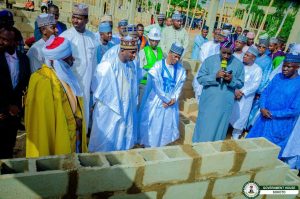
Governor Ahmed Aliyu Sokoto has reaffirmed his administration’s unwavering commitment to combating malaria and strengthening healthcare delivery with the official flag-off of the 2026 Seasonal Malaria Chemoprevention (SMC) Campaign in Wamakko Local Government Area.

The flag-off ceremony, held at the Palace of the District Head of Wamakko, brought together senior government officials, members of the National and State Assemblies, traditional and religious leaders, development partners, healthcare professionals and other stakeholders committed to the fight against malaria.

Speaking at the event, Governor Ahmed Aliyu described malaria as one of the leading public health challenges affecting children, particularly during the rainy season.

He explained that the Seasonal Malaria Chemoprevention programme provides preventive antimalarial medicines to children aged 3 to 59 months, significantly reducing malaria infections, severe illness, hospital admissions and deaths.

The Governor commended the Sokoto State Ministry of Health, the Sokoto State Malaria Elimination Agency (SOSMEA), the National Malaria Elimination Programme, Malaria Consortium and other development partners for sustaining the annual intervention and strengthening efforts to protect the lives of children across the state.

He noted that the previous SMC campaign achieved approximately 95 per cent coverage and challenged all stakeholders to intensify efforts towards attaining 100 per cent coverage during the 2026 exercise.

Governor Ahmed Aliyu announced that this year’s campaign would adopt an integrated approach by combining Seasonal Malaria Chemoprevention with other child health interventions, including the distribution of Oral Rehydration Salts (ORS) and zinc in selected pilot Local Government Areas, to improve access to essential child healthcare services.

He called on traditional and religious leaders to intensify community mobilisation and urged parents and caregivers to cooperate fully with healthcare workers by ensuring that every eligible child receives the preventive medicines. The Governor also directed the Chairmen of all 23 Local Government Areas to provide the necessary support for the successful implementation of the campaign in their respective councils.

Reiterating that healthcare remains a major pillar of his administration’s Nine-Point SMART Agenda, Governor Ahmed Aliyu highlighted the ongoing rehabilitation and upgrading of General Hospitals and Primary Healthcare Centres, the recruitment and training of healthcare personnel, and other strategic investments aimed at improving healthcare delivery across Sokoto State.

He also expressed appreciation to President Bola Ahmed Tinubu, GCFR, for the Federal Government’s healthcare reforms and reaffirmed his administration’s commitment to implementing programmes that improve the health and well-being of the people of Sokoto State.

Earlier in his welcome address, the Special Adviser to the Governor on malaria Elimination Agency,Dr. Namadina Ibrahim Muhammad,said the 2026 Seasonal Malaria Chemoprevention Campaign reflects the Sokoto State Government’s unwavering commitment to protecting children from malaria and improving public health outcomes across the state.

He commended Governor Ahmed Aliyu for his sustained support for the health sector, describing the administration’s investments in healthcare as a demonstration of its determination to improve the quality of life of the people.

Dr. Namadina disclosed that the campaign would run from July to October, during which eligible children aged 3 to 59 months would receive four monthly rounds of preventive antimalarial medicines during the peak malaria transmission season.

According to him, the campaign will also pilot an integrated service delivery approach in selected Local Government Areas by combining malaria prevention with routine immunisation referrals and the distribution of Oral Rehydration Salts (ORS) and zinc, thereby expanding access to life-saving child health interventions.

He urged parents and caregivers to allow healthcare workers access to their homes, ensure their children receive the preventive medicines and promptly visit health facilities whenever a child develops a fever, stressing that not every fever is caused by malaria.

Dr. Namadina further disclosed that Sokoto State continues to record encouraging progress in malaria control through sustained interventions implemented by the state government and its development partners.

He revealed that scientists from the Sokoto State Malaria Elimination Agency recently underwent specialised malaria diagnostic training in Lagos, where all participants successfully passed their certification examinations, with one officer emerging as the overall best candidate nationwide.

He added that the outstanding performance led to the recommendation for the establishment of a Malaria Referral Laboratory in Sokoto State.

According to him, the proposed laboratory will serve as a centre of excellence for malaria diagnosis, surveillance, research, training and capacity building, while also providing specialised diagnostic services for neighbouring states and generating additional revenue for the state.

Also speaking, the Chairman of the Sokoto State House of Assembly Committee on Health, Hon. Kabiru Dauda, reaffirmed the commitment of the State House of Assembly to supporting government health programmes through the necessary legislative backing.

He described malaria as a major public health challenge affecting people of all ages and commended Governor Ahmed Aliyu for prioritising the health sector through the implementation of the Nine-Point SMART Agenda.

He assured stakeholders that the House Committee on Health would continue to support policies and programmes aimed at improving healthcare delivery across the state.


Delivering his address, the Honourable Commissioner for Health, Dr. Faruk Abubakar Wurno, said Sokoto State has continued to record significant progress in healthcare delivery through strategic investments and effective policy implementation.

He highlighted ongoing efforts to strengthen maternal, newborn and child healthcare, expand immunisation coverage, rehabilitate health facilities, build the capacity of healthcare workers and improve service delivery at the primary, secondary and tertiary healthcare levels.

The Commissioner assured the Governor that the Ministry of Health, its agencies and development partners would remain committed to implementing evidence-based programmes and policies that will further improve health outcomes across Sokoto State.

In his remarks, the District Head of Wamakko, Alhaji Ahmed Barade, expressed appreciation to Governor Ahmed Aliyu for selecting Wamakko Local Government Area as the venue for the flag-off of the 2026 Seasonal Malaria Chemoprevention Campaign.

He commended the Governor’s sustained investment in the health sector, describing the initiative as a clear demonstration of his administration’s commitment to protecting the lives of women and children.

The traditional ruler assured the state government and its development partners of the continued support of traditional institutions in mobilising communities, sensitising parents and caregivers and ensuring that every eligible child benefits from the campaign.

He urged residents to cooperate fully with healthcare workers by allowing them access to their homes and ensuring that all eligible children receive the preventive medicines.

The 2026 Seasonal Malaria Chemoprevention Campaign is expected to reach hundreds of thousands of eligible children across all 23 Local Government Areas of Sokoto State with preventive antimalarial medicines during the peak malaria transmission season.

The initiative reinforces the state’s determination to reduce malaria-related illnesses and deaths, strengthen child survival and build a healthier future for every child in Sokoto State.
Sokoto’ s 3 Years Of Terrific Enhancement 


By Aminu Binji

It will be understating the obvious to posit that Sokoto state has witnessed and is witnessing terrific enhancement in all spheres of social and physical development over these years of purposeful leadership by the Ahmed Aliyu-led administration. When the good people of Sokoto state trooped out enmass to vote-in Ahmed Aliyu as their governor in the 2023 general elections, what was paramount in their minds was to bring in a government that will make things easier for them and right a lot of wrongs that were normalized in the course of the immediate past administration.
It’s not a misnomer to relate that, Ahmed Aliyu’s emergence as governor of the state was a by-product of divine intervention as countless booby traps and smear campaigns were mounted and championed to derail his journey to the government house. However, and fortunately the people were disenchanted with the manner in which the then outgoing administration conducted it affairs particularly in the twilight of its time.
Many projects were left strategically abandoned by the then outgoing administration to the chagrin of the general public. The Diplomat area and the Dandima flyovers were notably two of such projects, in a swift response to the clamour of the people, Ahmed Aliyu decisively moved in and within the first one hundred days in office was able to complete the two flyovers.

History will watermark Ahmed Aliyu’s in its annals for his remarkable strides in constructing the road networks in the Sahara area within the metropolis. Sahara area being a commercial hub peopled by automobile spare parts dealers and retailers most of whom are from the south-west part of the country, making the access roads there more passable has eased the transportation of goods and services there, and by extension made the transactions of business very easy. Before the historic construction and reconstruction of the road networks there, movement within the expansive commercial area was difficult especially in the rainy season.
The Mabera area in the metropolis was rather infamous for its poor road networks which made movement in the bustling community painful and tedious during the rainy season. It was Ahmed Aliyu who circumvented the odds and opened up the area with beautiful roads, culverts and even roundabouts where necessary. As I write this, Mabera area is today one of the finest in the state capital in terms of motorable roads adorned with solar-powered streetlights.
The Arkilla area was equally another community in the metropolis that enjoyed a touch of Ahmed Aliyu’s improvement strategy as the road networks in the area were terrible and almost impassable. The same laudable treatment was applied to the famous Mai-kahon karo road that links Diplomat area to the Shehu Kangiwa square. I had a talk with an elderly resident of the area who told me that, the road constructed decades ago was neither reconstructed nor repaired until when Ahmed Aliyu came and did the marvelous job within the first one hundred days in office.
Looking at Bodinga road, the road behind UDUTH that runs from off the NIPOST complex to the roundabout connecting to the Western bypass, was to say the least in a deplorable state. It was Ahmed Aliyu who constructed the road into what it’s today; comfortably passable.
We were all witnesses including visitors to the state capital to the deplorable state of our metropolitan roads and roundabouts, it still beats our imagination how the past administration was nonchalant and unconcerned to the plight of people plying those terrible metropolitan roads. The horrible state of the round Mai-ruwa in the state capital with its unique strategic location was left in a sorry situation of disrepair. Today, that roundabout stand tall bedecked with aesthetics and lighting to the admiration of both inhabitants and visitors alike.
We still recall how within record time the Kara and Abbatoir road networks were improved to pave way for easy access to the commercial outlets.
As a pupil of history, I’m tempted to wonder how fast our people forget things, otherwise, how would any person living in Sokoto identify with the vestiges of the past administration to side with the opposition, opposing Ahmed Aliyu’s second term bid.
In the sphere of moving against the tide of insecurity, Ahmed Aliyu has done remarkably well in the last three years that he’s comparable to no other governor at least in the core north. Apart from the timely payment of stipends and other financial commitments due to security operatives stationed at the flashpoints, he floated and created the Sokoto State Community Guards with about 2000 able-bodied men to augment the efforts of other security personnel in confronting the problem of banditry and kidnapping. Just recently, the Nigeria’s defence minister was in Sokoto to commission 62 security vehicles fitted with high-tech equipment and 320 motorcycles to support anti-banditry and kidnapping operations in the state. That singular stride did no doubt demonstrated Ahmed Aliyu’s unalloyed vow to fight the menace of banditry and kidnapping. The truth is, from day one in office, Ahmed Aliyu has never relaxed his resolve to effectively wrestle insecurity as he undertook in his campaign days.
In the concern of social engineering, Ahmed Aliyu has in the last three years left no one in doubt as to his unflagging determination to positively rewrite history. Before his coming, the monthly stipends payable to our people with various disabilities were halted for more than a year without cogent explanation; on assumption of office, Ahmed Aliyu instituted a committee which verified all those entitled and promptly settled the backlog of their denied stipends. This same magnanimous treatment by Ahmed Aliyu was extended to the Imams , their deputies and Muazzims, including key Arabic Mallams across the state. It will not be out of tune to recall how the deductions from the salary of civil servants in the state employ in the name of State of Emergency on Education was halted, in response to the clamour of the civil servants who expressed displeasure with the deductions that did not produce any tangible results commensurate with the volume of the deductions over the almost 7 years the Emergency functioned. Similarly, knotty issues about the inability of the immediate past administration to settle school fees of state indigenes studying in institutions of higher learning like the Usman Danfodiyo University, Sokoto were resolved. Civil servants too had it so good in the first hundred days in office of Ahmed Aliyu as backlog of unpaid salaries were defrayed, and since then salary and pension are being paid from 19th of every month unlike in the immediate past when uncertainty and excitement were the norm whenever it’s month’s end. The release of monthly cash allocations to MDAs which was stopped for months on end was restored as a booster to the morale of the civil servants. We still recall how gratuities of retired and dead civil servants were left unpaid and allowed to accumulate into billions of naira. Governor Ahmed Aliyu came up with a workable template of settling the humongous debt of gratuities and concurrently paying those civil servants who retired or died during his time. This payment of gratuities has restored confidence and hope in the retirees and families of deceased civil servants. I’m good to submit that, this particular noble act should be enough to garner tremendous support from the people for Ahmed Aliyu’s second coming.

Renovation of schools and colleges across the state has equally received noticeable attention from this administration these three years, we commend the monthly release of imprest to school principals for routine running of their schools, and of course with the provision of school buses to some schools in the state alongside the introduction of metropolitan School bus system to facilitate easy transport of students in the morning and after closing time.

The Wamakko-Bunkari-Binji road has for long remained abandoned in a state of serious disrepair as the movement of goods, people and services suffered untold torment. Finally, Ahmed Aliyu has resolved to reconstruct and put the road in a new shape. That particular act has won him applause and commendation from people including his political opponents. Another road worthy of mention is the Gidan Madi- Binji road also penciled for reconstruction, we cannot but salute Ahmed Aliyu for this and many more laudable projects as a lot of road construction projects are either ongoing or in the pipeline for execution.
The State Mass Transport Authority that was moribund before the coming of this administration is now fully functional with buses plying state and inter-state routes, and this has gone extra miles in bringing succour to the people in their transportation needs.
These three years, the Ahmed Aliyu administration has done well to command the commendation and praise of people of goodwill across the state and even beyond.

The various interventions of this administration in terms of the provision of foodstuffs to the vulnerable and the needy, free fertilizer for farmers, skills acquisition programmes with starter packs and financial support and other such projects are too voluminous to accommodate here. The crux of the matter is, posterity will certainly engrave Ahmed Aliyu’s name in the best of calligraphy as a governor who came, saw and conquered.
Now that the chips are coming down, it’s unmistakable that by the grand grace of our Creator, Ahmed Aliyu’s second journey to the government house which is in God’s hands is assured, if populist policies, programmes and overwhelming goodwill of the people do count.

It was Abraham Lincoln who in his Temperance address on July 1st, 1842, said, ” the legitimate object of government, is to do for a community of people, whatever they need to have done, but cannot do, at all, or cannot so well do for themselves in their separate and individual capacities”.

Binji writes from the desk of Sokoto Liberal Democrats Media Foundation (SOLID)

How Northern Nigeria Can End Out-of-School Children Crisis and Secure Its Future

By Lamara Garba

Former Vice-Chancellor of Bayero University, Kano, Professor Sagir Adamu Abbas, has called for bold, coordinated and inclusive measures to tackle the growing challenge of out-of-school children in Northern Nigeria, warning that the crisis poses a serious threat to the region’s social stability, economic growth and long-term development.

Delivering a keynote address at a one-day roundtable conference held at Yusuf Bala Usman Hall, Ahmadu Bello University (ABU), Main Campus, Samaru, Zaria, yesterday, Professor Abbas said the challenge has gone beyond being merely an education problem. Rather, it has become a major development and security concern that demands urgent attention from governments, traditional and religious institutions, universities, civil society organisations, development partners and local communities.

The roundtable conference was organised by Ahmadu Bello University, Zaria, as part of its continuing engagement with policymakers, academics and development partners to develop practical strategies for addressing the out-of-school children crisis in Northern Nigeria.
Presenting the paper titled “ _Out-of-School Children in Northern Nigeria: Understanding the Context, Rethinking the Challenge and Charting a Transformative Policy Agenda,”_ the former Vice-Chancellor argued that ending the crisis requires far more than increasing school enrolment.

According to him, lasting success lies in designing practical, context-specific policies that address the diverse circumstances preventing children from accessing education.

He explained that millions of children remain outside the classroom because of poverty, insecurity, displacement, disability, harmful social norms, weaknesses within the education system and inadequate government interventions.

Professor Abbas noted that treating all out-of-school children as a single, homogeneous group has weakened previous interventions because the barriers confronting different categories of children vary considerably.

Professor Abbas, who also served as Chairman of the Committee of Vice-Chancellors of Nigerian Federal Universities, identified several categories of out-of-school children requiring targeted interventions.

These include children who have never enrolled in school, school dropouts, Almajirai and pupils attending traditional Qur’anic schools operating outside integrated education systems, nomadic and pastoralist children, internally displaced children, children living with disabilities, girls denied education because of gender-related barriers, and children engaged in street hawking, domestic service, artisanal work and other forms of child labour.

He stressed that policymakers must abandon one-size-fits-all solutions and instead develop differentiated strategies capable of addressing the unique needs and circumstances of each category of child.

Professor Abbas warned that allowing millions of children to remain outside school would expose society to rising poverty, unemployment, insecurity, crime, violent extremism and social exclusion. He maintained that no society can achieve sustainable development when a significant proportion of its young population is denied access to quality education.

According to him, Northern Nigeria possesses a rich tradition of learning built upon centuries of Islamic scholarship. He emphasised that the current educational crisis should not be interpreted as a rejection of education but rather as evidence of the widening gap between traditional learning systems, modern education and the harsh socio-economic realities confronting many families.

Citing recent global and national statistics, Professor Abbas noted that UNESCO estimates that more than 250 million children and young people are currently out of school worldwide. Nigeria, he said, accounts for over 18 million out-of-school children, with nearly two-thirds residing in the North-West and North-East geopolitical zones.

He maintained that reversing the trend requires strong political will, sustainable financing, institutional reforms, greater community participation and effective collaboration among all stakeholders.

Professor Abbas expressed confidence that, with deliberate and sustained action, Northern Nigeria can transform the current crisis into an opportunity for inclusive human capital development, ensuring that every child—regardless of background or circumstance—has access to quality education and a brighter future.

The roundtable conference brought together academics, policymakers, government officials and development partners to deliberate on practical and sustainable solutions to one of Northern Nigeria’s most pressing educational and development challenges.

Ahmad Aliyu Support Mobilization 2027 Pays Solidarity Visit to APC Chairman

The Ahmed Aliyu Support Mobilization 2027 association has paid a courtesy visit to the Sokoto State Chairman of the All Progressives Congress (APC), Hon. Haruna S. G Adiya to strengthen collaborative efforts in support of Ahmed Aliyu’s gubernatorial aspiration for the 2027 elections.

The association’s Chairman, Dahiru Mohammed made this known at the headquarters of the party along Sultan Abubakar road, Sokoto , adding that the purpose of the visit was to intimate the chairman on the association’s efforts at the grassroots level. According to him, they have successfully visited all the three Senatorial Districts in the state for the mobilization drive.
He also revealed that two prominent personalities in the state namely , Senator Aliyu Magatakarda Wamakko and Governor Ahmed Aliyu were responsible for the formation of the association possible.

He also solicited support for the party with emphasis on the unity within the party.

Also speaking, the association’s women leader , Zainab Lihidda, extolled the leadership qualities of the Sokoto State Governor Dr Ahmed Aliyu as well as his laudable works in education, health, agriculture and rural development.

Speaking also, the association secretary, Abubakar Uba, explained their visit to the party headquarters as important, averring that they were all out to mobilize people from the grassroots through the propagation of the overall development drive by the state governor. He hailed the 9-Point Agenda of my Governor Ahmed Aliyu saying the agenda has tremendously transformed the state. He finally prayed for the party ‘s success at the forthcoming polls.

In his response, the APC Chairman, Hon. Haruna S. G Adiya, warmly welcomed the members of the association, reaffirming the party’s dedication to a successful campaign and the importance of collective effort in achieving their electoral goals.
He encouraged the association to continue their outreach initiatives and assured them of the party’s support.
The chairman also accepted to be the patron of the association.

The visit concluded with mutual pledges to work together towards a shared vision for Sokoto State, fostering a collaborative environment within the APC for a successful electoral outcome in 2027.
The occasion was witnessed by the party ‘s Deputy Chairman, Alhaji Yahaya Buhari, the treasurer, Alhaji Maniru M. Shehu, Women Leader, Hajia Rabi Garba, Deputy Women Leader, Hajia Habiba Bala and Hon. Yusuf Sambo.

Signed
Mohammed Umar
Publicity Secretary

PARTNERSHIPS THAT DELIVER

By Sani Umar

In an era when governments face increasing demands with limited resources, strategic partnerships with development organizations have become indispensable instruments for accelerating development.

Across the developing world, governments are increasingly leveraging collaborations with institutions such as the World Bank, UNICEF, the European Union, UNDP, WHO, Nutrition International, and other international development partners to complement public investments and improve service delivery. Sokoto State is no exception. Under the administration of Governor Ahmed Aliyu, the state has embraced constructive engagement with development partners as part of its broader commitment to improving the welfare of its citizens.

Rather than viewing external support as a substitute for government responsibility, the administration has treated these partnerships as opportunities to strengthen institutions, build capacity, and deliver better outcomes in critical sectors such as education, healthcare, nutrition, water supply, agriculture, social protection, and infrastructure.

One of the most visible areas of collaboration has been education. Through the World Bank-supported Adolescent Girls Initiative for Learning and Empowerment (AGILE) Project, numerous schools across Sokoto State are being renovated and upgraded with modern facilities. The initiative has not only improved the learning environment but has also expanded access to education, particularly for girls, while encouraging greater school enrolment and retention.

The significance of this intervention extends beyond infrastructure. By investing in educational quality and access, development partners are helping the state prepare a more educated, productive, and economically competitive generation capable of driving future growth.

Healthcare is another sector where collaborative efforts have produced measurable results. UNICEF, the World Health Organization, Nutrition International, and other health-focused organizations have consistently partnered with the Sokoto State Government in strengthening routine immunization, maternal and child healthcare, nutrition programmes, disease surveillance, and primary healthcare services.

These partnerships have enhanced the state’s capacity to respond to public health challenges while improving healthcare delivery in both urban and rural communities. The collaboration has also supported health worker training, expanded access to essential medical services, and promoted evidence based planning within the health sector.

Particularly noteworthy is the state’s collaboration with Nutrition International in combating malnutrition among women and children. Through technical support, advocacy, and programme implementation, the partnership has reinforced government efforts to improve nutritional outcomes, especially during the critical first one thousand days of a child’s life.

Water, sanitation, and hygiene have equally benefited from international cooperation. UNICEF and other development agencies have supported initiatives aimed at expanding access to safe drinking water, improving sanitation facilities, and promoting hygiene practices in schools and communities.These interventions contribute significantly to reducing waterborne diseases and improving public health.

Agriculture, which remains the backbone of Sokoto’s economy, has also attracted meaningful support from development partners. Technical assistance, climate smart agricultural practices, improved seeds, farmer training, and value-chain development initiatives have complemented government investments aimed at increasing food security and improving rural livelihoods.

The World Bank has also made significant contributions to Sokoto State’s infrastructure development through interventions aimed at strengthening climate resilience, agricultural productivity, and rural connectivity. A notable example is the rehabilitation of the Lugu Dam, a strategic project expected to enhance irrigation farming, improve water management, boost food production, and strengthen the livelihoods of thousands of farming households.

In addition, World Bank supported road projects have improved access to rural communities, facilitated the movement of agricultural produce to markets, reduced transportation costs, and expanded economic opportunities. These investments underscore the Bank’s commitment to supporting sustainable infrastructure that stimulates inclusive growth and complements the state’s development agenda.

The United Nations Development Programme (UNDP) has also contributed significantly to community development, peacebuilding, resilience, renewable energy, and infrastructure interventions in several parts of Sokoto State. Projects implemented in partnership with the state government have demonstrated how collaborative financing and technical expertise can deliver sustainable community assets while addressing local development priorities.

Equally important has been the role of development partners in strengthening governance itself. Many international organizations provide technical support that enhances public financial management, planning, monitoring and evaluation, procurement systems, digital governance, and institutional capacity. Good governance is measured not merely by the number of projects executed but by the quality of institutions, transparency of public administration, responsiveness to citizens’ needs, and effectiveness of service delivery.

Development partnerships contribute meaningfully to each of these pillars. The presence of credible international development institutions also encourages greater accountability. Their project implementation frameworks typically require transparency in procurement, regular monitoring, measurable performance indicators, independent evaluations, and prudent financial management. These standards help strengthen governance systems while promoting responsible use of public resources.

Furthermore, collaboration with development partners facilitates knowledge transfer. International organizations bring global experience, best practices, innovative technologies, and policy expertise acquired from numerous countries. When adapted to local realities, these experiences help governments avoid costly mistakes while accelerating development.

Capacity building represents another enduring benefit. Civil servants, healthcare workers, teachers, agricultural extension officers, and community volunteers regularly receive specialized training through donor-supported programmes. These investments in human capital continue to benefit the state long after individual projects have ended.

Perhaps one of the greatest advantages of development partnerships is their ability to attract additional investments. A state that demonstrates transparency, political stability, sound financial management, and commitment to reform is more likely to secure further technical and financial assistance from international organizations. Success often breeds confidence, and confidence attracts investment.

For Sokoto State, these collaborations also strengthen public confidence in government. When citizens witness improvements in schools, hospitals, water facilities, nutrition programmes, roads, and community infrastructure delivered through coordinated efforts between government and reputable international organizations, trust in public institutions is reinforced.

It is equally important that Projects should continue to reflect the genuine needs and aspirations of the people of Sokoto while supporting the state’s long-term development agenda. Local participation, community ownership, and regular evaluation should remain central to every intervention.

As development challenges become increasingly complex, no government can succeed in isolation. The future belongs to governments that embrace collaboration, innovation, and shared responsibility. Sokoto State’s growing engagement with reputable development partners demonstrates an understanding of this reality and reflects a governance approach that values cooperation over isolation.

Ultimately, the true measure of these partnerships lies not simply in the volume of funds mobilized or projects commissioned, but in their lasting impact on people’s lives. Better schools, healthier mothers and children, safer water, stronger institutions, empowered communities, improved livelihoods, and enhanced public trust collectively represent the dividends of effective collaboration.

The experience of Sokoto State underscores an important lesson: when visionary leadership is combined with responsible governance and meaningful partnerships, development becomes faster, institutions become stronger, and citizens become the ultimate beneficiaries.

League Of Kano Veteran Journalists Established to Promote Professionalism, Members’ Welfare — Mahmud

By Lamara Garba Azare

The League of Kano Veteran Journalists (LKVJ) has been established to promote professionalism, safeguard the integrity of journalism, enhance the welfare of veteran media practitioners and provide mentorship for the next generation of journalists.

Registered with the Corporate Affairs Commission (CAC) in June 2026, the League brings together seasoned journalists with between 25 and 30 years of professional experience who are committed to contributing their knowledge, experience and expertise to the advancement of journalism in Kano State and Nigeria.

As part of efforts to foster collaboration with key stakeholders in the media industry, the leadership of the League on Friday, 17th July, 2026, paid a courtesy visit to the Executive Committee of the Nigeria Union of Journalists (NUJ), Kano State Council, to formally intimate the Union about its establishment and seek its partnership in advancing the ideals of the profession.

Speaking during the visit, the Interim Chairman of the League, Alhaji Aminu Mahmoud, said the organisation was founded by accomplished journalists determined to preserve the noble values of the profession while promoting the welfare, dignity and relevance of veteran journalists in society.

He disclosed that the League of Kano Veteran Journalists was registered with the Corporate Affairs Commission (CAC) in June 2026, making it a legally recognised organisation with a clear constitutional framework and well defined objectives.

According to him, the League’s Board of Trustees is Co-chaired by former National President of the Nigeria Union of Journalists, Malam Sani Zorro and one time Deputy National President of the NUJ, Malam Nasir Zahraddeen, while a former National Vice President of the NUJ, Zone A, Abdulkadir Ahmed Ibrahim Kwakwatawa, is the Board’s Secretary.

Mahmoud added that the Interim Management Committee would soon be inaugurated to oversee the affairs of the League. Besides himself as Interim Chairman, the interim leadership comprises Lamara Garba Azare as Vice Chairman I, Amina Mohammed Usman as Vice Chairperson II, Abdullahi Datti Abdullahi as Secretary, Nasir Yusuf Gwadabe as Communications Officer, while Adamu Abubakar Gammo, Abdullahi Yusuf Malam, Halima Ben Umar are other executives of the League.

He noted that similar associations already exist in several states, particularly in the South West, adding that Kano now joins Kwara and Plateau as one of the few northern states with such a body of veteran journalists.

Describing the NUJ as the League’s most important partner, Mahmoud said the founders maintained close consultations with the National Secretariat of the NUJ throughout the process leading to the establishment of the organisation.

He explained that the League has a well defined constitution and objectives centred on improving members’ welfare and healthcare, restoring the dignity and relevance of veteran journalists, promoting cooperation among members and creating opportunities to mentor and guide younger journalists.

The Interim Chairman further stated that the League would be studying emerging issues affecting journalism and make meaningful contributions to economic, political and social discourse as a body of experienced professionals. He added that the organisation also intends to intervene, whenever necessary, in disputes involving the media and government, the media and the public, as well as between the media and regulatory bodies.

Mahmoud appealed to the NUJ Kano State Council to work closely with the League in promoting ethical journalism, defending press freedom and collectively sanitising the journalism profession in Kano State.

Responding, the Chairman of the NUJ Kano State Council, Comrade Sulaiman Abdullahi Dederi, congratulated the veteran journalists on the successful establishment of the League and described the initiative as a welcome development for the journalism profession.

He said the wealth of experience and institutional memory possessed by veteran journalists would be invaluable in mentoring younger practitioners, promoting ethical standards and strengthening professionalism within the media industry.

The NUJ Chairman who was represented by Vice Chairman of the Council Comrade Mustapha Muhammad assured the League of the Council’s readiness to collaborate in pursuing shared objectives, particularly in the areas of capacity building, professional development, members’ welfare and the promotion of responsible journalism.

Dederi expressed confidence that the cordial relationship between the two organisations would contribute significantly to preserving the integrity of the profession and advancing the collective interests of journalists in Kano State.

The visit ended with both organisations reaffirming their commitment to fostering closer cooperation in promoting ethical journalism, protecting the image of the profession and ensuring that the experience and wisdom of veteran journalists continue to serve the public good.
The NUJ National Trustee Comrade Abbas Ibrahim and Salisu Ibrahim Fagge are among the founding members of the League.

UNICEF Commends Gov. Aliyu’s Child-Centred Development Agenda

From Muhammad Gazali Garba

The Executive Director of the United Nations Children’s Fund (UNICEF), Ms. Catherine Russell, has commended the Governor of Sokoto State, Dr. Ahmed Aliyu,for his administration’s unwavering commitment to improving the lives of children and women through strategic investments in healthcare, education, nutrition, water supply, skills development, and child protection.

Ms. Russell gave the commendation during a courtesy visit to Governor Ahmed Aliyu at the Government House, Sokoto, as part of her official mission to Nigeria. She was accompanied by the UNICEF Nigeria Country Representative, Mr. Cristian Munduate, the Chief of UNICEF Field Office, Sokoto, Dr. Michael Juma, and other senior UNICEF officials.

Speaking during the visit, the UNICEF Executive Director said she was impressed by the progress recorded by the Sokoto State Government in advancing child-focused programmes.

She noted that the delegation had witnessed significant efforts in literacy, vocational and life-skills training, mental health services, routine immunisation, nutrition, and other initiatives designed to improve the well-being of children and young people.

She stated that UNICEF believes Nigeria has the potential to become a global model of political leadership that translates sound policies into measurable improvements in the lives of children. She added that the organisation looks forward to working closely with the Sokoto State Government to document, showcase, and promote its achievements as a model for other states in Nigeria and beyond.

Recalling Nigeria’s certification as free of the wild poliovirus in 2020, Ms. Russell described the achievement as proof that even the most complex public health challenges can be overcome through visionary leadership, effective community engagement, and strong partnerships. She stressed the importance of sustaining these gains by ensuring that every child receives routine immunisation, underserved communities are reached, and disease surveillance systems remain robust.

She further applauded Governor Ahmed Aliyu’s vision for strengthening healthcare, education, and skills development, noting that investments in children represent investments in human capital and sustainable economic growth.

She reaffirmed UNICEF’s commitment to supporting Sokoto State in strengthening public institutions, improving service delivery, generating evidence for informed decision-making, and accelerating measurable progress in child survival and development.

Responding, on behalf of Governor Ahmed Aliyu,Deputy Governor Engineer Idris Muhammad Gobir,welcomed the UNICEF Executive Director and her delegation to Sokoto State and expressed profound appreciation to UNICEF for its longstanding partnership and invaluable support in improving the lives of children, women, and vulnerable communities.

The Governor said that since assuming office, his administration has prioritised investments in healthcare, education, water supply, and social protection.

He disclosed that the state government has recruited over 1,500 nurses and midwives and deployed them to health facilities across the state, particularly in rural communities. In addition, 2,440 Community Health Extension Workers (CHEWs) have been recruited to strengthen service delivery at Primary Healthcare Centres.

He also highlighted the administration’s efforts to improve access to potable water through the construction and rehabilitation of water schemes and the drilling of boreholes in rural and densely populated communities.

The deputy Governor ,further outlined several achievements recorded through the state’s collaboration with UNICEF and other development partners.

These include the establishment of 10 Integrated Qur’anic Schools across ten Local Government Areas to address the challenge of out-of-school children; the establishment of two Child-Friendly Centres and two Care Coordination Centres for malnourished and vulnerable children; the graduation of 2,723 beneficiaries from vocational and life-skills training programmes with starter packs to support self-reliance; and the establishment of an ICT Centre for the training of out-of-school children at Sultan Muhammadu Maccido Primary School, Sokoto.

He acknowledged UNICEF’s technical and financial support through programmes funded by the European Union, the Foreign, Commonwealth and Development Office (FCDO), the SARAH Programme, UNFPA, and other development partners.

Gobir noted that these interventions have contributed significantly to reducing maternal, newborn, and child mortality, strengthening healthcare systems, and expanding access to quality education.

While acknowledging the progress made,Engineer Gobir observed that insecurity has affected some schools and healthcare facilities in parts of the state. He appealed to UNICEF for additional support to rehabilitate and equip health and educational institutions in affected communities.

He reaffirmed his administration’s commitment to strengthening collaboration with UNICEF and other development partners to ensure that every child in Sokoto State has access to quality healthcare, education, nutrition, protection, and opportunities to realise their full potential.

In their respective remarks,both Ms. Catherine Russell and Governor Ahmed Aliyu reaffirmed their shared commitment to deepening the longstanding partnership between UNICEF and the Sokoto State Government to accelerate sustainable improvements in child welfare and position Sokoto as a leading example of child-centred development in Nigeria.

EDUCATION AS INVESTMENT, NOT EXPENDITURE

By Sani Umar

Education remains the most enduring investment any government can make. Roads, bridges and other physical infrastructure are essential, but it is educated and skilled citizens who ultimately drive economic growth, innovation and social progress.

This understanding appears to be at the heart of the education reforms being implemented by the administration of Governor Ahmed Aliyu.

Since assuming office, the Governor has consistently demonstrated that education occupies a central place in his development agenda. Rather than treating education as a routine government responsibility, the administration has approached it as a strategic investment capable of transforming Sokoto State’s future.

One of the latest demonstrations of this commitment is the approval of a 40 percent increase in the consolidated Academic Tools Allowance (CATA) for lecturers in Sokoto State University and Shehu Shagari University of Education. The decision received widespread commendation from the Academic Staff Union of Universities, which described it as a welcome response to the welfare and professional needs of academic staff.

The significance of this intervention extends beyond improving lecturers’ earnings. Universities thrive when their academics are motivated, adequately equipped and encouraged to undertake quality teaching, research and community service. By strengthening the capacity of lecturers, the government is investing directly in the quality of graduates who will eventually contribute to the state’s development.

Equally remarkable is the administration’s decision to clear outstanding scholarship and bursary obligations inherited from previous administration. This action restored confidence in the government’s scholarship programme while ensuring that students, both within Nigeria and abroad, were not denied educational opportunities because of unpaid government commitments.

The government’s commitment has also been reflected in its policy of paying examination fees for students sitting for WAEC, NECO and other qualifying examinations. For thousands of families, particularly those with limited financial means, this intervention removes a major obstacle to educational attainment and significantly reduces the number of students who might otherwise be forced to abandon their academic pursuits.

Similarly, the provision of free JAMB registration forms to eligible students across the 23 local government areas has expanded access to higher education. By removing the financial barriers associated with university entrance examinations, the government has opened wider opportunities for talented young people to pursue tertiary education.

Perhaps one of the most people oriented initiatives is the introduction of free transportation for students using government-operated school buses across Sokoto metropolis and surrounding communities. Effective from 13 July 2026, the policy is designed to ease the financial burden on parents while ensuring that transportation costs do not prevent children from attending school regularly.

The initiative, according to ministry of basic education, is particularly significant at a time when rising living costs have placed considerable pressure on household incomes. By absorbing transportation expenses, the government has effectively increased disposable income for many families while encouraging higher school attendance and reducing absenteeism among students.

Viewed collectively, these interventions reveal a carefully coordinated education policy rather than isolated acts of generosity. From improving lecturers’ welfare to supporting students through scholarships, examination fees, university entrance registration and free transportation, the administration has addressed critical challenges across the entire education value chain.

The long-term benefits of these investments are considerable. Better equipped lecturers produce more competent graduates. Increased access to education creates a larger pool of skilled manpower. Improved school attendance enhances literacy levels, while expanded tertiary education opportunities strengthen the state’s human capital base.

For any economy to achieve sustainable growth, it must continuously invest in human capital. Industries, agriculture, healthcare, technology and public administration all depend on educated and skilled citizens. Every investment made in education today translates into greater productivity, higher incomes, increased innovation and improved governance tomorrow.

Governor Ahmed Aliyu’s education initiatives therefore represent more than social welfare programmes; they constitute strategic investments in the future prosperity of Sokoto State. By reducing financial barriers to learning and improving the quality of teaching, the administration is laying the foundation for a knowledge-driven economy capable of competing in an increasingly dynamic world.

If these policies are sustained and complemented with continued investment in school infrastructure, teacher development and educational technology, Sokoto State will be well positioned to produce a generation of educated, skilled and responsible citizens whose contributions will drive sustainable economic growth for decades to come.

In the final analysis, governments are often remembered not merely for the projects they build, but for the opportunities they create. Through its deliberate and comprehensive investment in education, the Ahmed Aliyu administration is creating opportunities that have the potential to outlive its tenure and shape the future of Sokoto State for generations.

SOKOTO APC: DEFECTIONS, UNITY AND SECOND-TERM PROSPECTS

Sokoto APC leader, Sen. A M. Wamakko and former Sokoto State PDP Gubernatorial Candidate in 2023 election, Alh. Sa’idu Ubandoma when the later defected to APC

BY Sani Umar

The steady influx of high-profile politicians into the All Progressives Congress (APC) in Sokoto State over the past three years has become one of the defining features of Governor Ahmed Aliyu’s administration.

Beyond the excitement that often accompanies such political realignments, these defections carry significant implications for the political landscape of the state and the governor’s quest for a second term in office.

While they undoubtedly strengthen the ruling party, their true value will ultimately depend on how effectively they are managed and translated into electoral success.

In every democracy, defections are more than mere changes of political affiliation, they are indicators of shifting political confidence and public perception. The movement of influential politicians, former office holders, community leaders and grassroots mobilisers into the APC reinforces the impression that Governor Ahmed Aliyu’s administration is gaining wider acceptance. Such developments often shape public opinion, as many voters naturally gravitate towards a political platform perceived to be growing stronger and more inclusive.

Equally important is the political machinery that many of the defectors bring with them. Elections in Sokoto State, like elsewhere in Nigeria, are won not only through popularity but through effective grassroots organisation.

Politicians with established structures, loyal supporters, ward coordinators, youth groups, women organisations and community influencers can significantly expand the APC’s reach across the state’s 23 local government areas. Their inclusion has the potential to deepen the party’s penetration into communities where it previously had limited influence.

The defections also weaken opposition parties by depriving them of experienced campaigners, financiers and influential political actors. Every prominent departure from an opposition party reduces its organisational capacity while simultaneously strengthening the ruling party. This shift can create momentum that favours the APC as preparations for the 2027 elections gradually gather pace.

Furthermore, the willingness of established politicians to identify with Governor Ahmed Aliyu reflects growing confidence in his leadership and administration. Over the past three years, his government has pursued development initiatives under the 9-Point Smart Agenda, with investments in infrastructure, education, healthcare, agriculture, security, water supply and social welfare.

Whether motivated by conviction, political calculation or both, many of the new entrants are likely persuaded that the governor’s performance provides a credible platform for continued leadership.

However, political history teaches that defections can become a source of internal instability if not carefully managed. One of the greatest challenges facing the APC is ensuring that loyal members who built and sustained the party over the years do not feel neglected or marginalized.

These faithful party supporters invested their time, resources and political capital when the party needed them most. If new entrants are immediately rewarded with appointments, party positions or electoral tickets at the expense of long serving members, resentment and internal divisions may emerge.

Another potential challenge is the inevitable competition for political offices. As influential politicians converge under one platform, the struggle for nominations into elective offices and appointments will naturally intensify. Without fairness, transparency and effective conflict resolution, internal disagreements could undermine the unity that the defections were expected to strengthen.

It is equally important for the party leadership to distinguish between symbolic defections and those that genuinely add electoral value. Political prominence does not always translate into grassroots support. The APC should carefully assess the actual political strength of each new entrant, particularly at the polling-unit and ward levels where elections are ultimately decided.

To maximise the benefits of the growing political coalition, the APC must prioritise unity above personal ambition. The integration of defectors should be gradual, structured and guided by mutual respect. New members should be encouraged to work within existing party structures while recognising the contributions of those who have remained committed to the party through difficult periods.

Fairness in the distribution of opportunities will also be critical. Loyalty, competence and service should remain important considerations in appointments and party responsibilities. Rewarding commitment while embracing new members will foster confidence and minimise unnecessary friction within the party.

The governor and party leadership must also strengthen internal mechanisms for consultation, dialogue and reconciliation. Political disagreements are inevitable in every democratic organisation, but they should be addressed promptly through established party structures before they develop into crises capable of weakening the APC ahead of the elections.

Perhaps most importantly, the APC should never assume that defections alone guarantee electoral victory. Nigerian politics has repeatedly demonstrated that endorsements and high-profile political movements cannot substitute for good governance. Ultimately, the electorate will judge Governor Ahmed Aliyu not by the number of politicians who join his party but by the impact of his administration on their daily lives. Continued investment in infrastructure, security, education, healthcare, agriculture, water supply and youth empowerment will remain the strongest campaign message for 2027.

At the same time, the party must sustain vigorous grassroots mobilisation and maintain constant engagement with citizens across the state. While political elites may shape headlines, elections are won by ordinary voters whose expectations revolve around improved living standards, responsive leadership and visible development.

Continuous communication of government achievements, regular interaction with communities and prompt response to public concerns will strengthen public confidence in both the administration and the party.

As the political landscape gradually takes shape ahead of 2027, the APC in Sokoto State has every reason to welcome the growing number of defectors. Their arrival broadens the party’s political base, strengthens its organisational capacity and weakens the opposition. Yet, these advantages can only be sustained through fairness, discipline, inclusiveness and unwavering commitment to good governance.

If Governor Ahmed Aliyu and the APC successfully balance the interests of old and new members while maintaining the momentum of development across the state, the recent defections may well become one of the defining factors that secure the governor’s second-term mandate.

Sokoto First Lady Flags Off Distribution of Cash, Food Support to Women, Vulnerable Groups

From Muhammad Gazali Garba


The First Lady of Sokoto State, Hajiya Fatima Ahmed Aliyu, on Saturday flagged off the distribution of cash assistance and food items to women and other vulnerable women groups across the state, reaffirming the commitment of the administration of Governor Dr. Ahmed Aliyu Sokoto to improving the welfare and livelihoods of the less privileged.

Speaking at the flag-off ceremony, the First Lady said the intervention was designed to provide immediate relief to vulnerable households while empowering beneficiaries with startup capital to establish small businesses, become self-reliant and improve their standard of living.

She explained that the programme was one of several humanitarian interventions initiated by her office to support women, widows, persons living with disabilities and other disadvantaged members of society.

According to Hajiya Fatima, since the inception of Governor Ahmed Aliyu’s administration, the welfare of citizens—particularly women, widows, persons living with disabilities and other vulnerable groups—has remained a top priority. She noted that the government had introduced several programmes aimed at improving their living conditions and cushioning the effects of the prevailing economic hardship.

The First Lady recalled that her office had, on several occasions, implemented similar interventions under the Renewed Hope Initiative of the First Lady of Nigeria, Senator Oluremi Bola Ahmed Tinubu, to complement efforts aimed at improving the lives of the less privileged in Sokoto State.

She commended Senator
Oluremi Bola Ahmed Tinubu for championing humanitarian programmes that continue to bring relief to the needy, internally displaced persons, persons living with disabilities and the elderly across the country.

Hajiya Fatima urged the beneficiaries to make judicious use of the cash assistance and food items by investing the support in productive ventures that would improve their livelihoods, strengthen their families and promote self-reliance.

She assured the people that the administration of Governor Ahmed Aliyu would continue to prioritise the welfare of women, children and other vulnerable groups through sustained empowerment programmes and social intervention initiatives.

The First Lady also appealed to the people of Sokoto State to continue supporting the present administration to enable it to deliver more people-oriented programmes and accelerate the state’s development.

Earlier in her welcome address, the Commissioner for Humanitarian Affairs and Disaster Management, Hajiya Asabe Balarabe, described the distribution exercise as another demonstration of the Sokoto State Government’s unwavering commitment to improving the welfare of vulnerable groups.

She commended Governor Ahmed Aliyu and the First Lady for their compassion, visionary leadership and unwavering support for humanitarian programmes that continue to transform the lives of the less privileged.

According to the commissioner, the initiative reflects the administration’s determination to ensure that no one is left behind by providing relief, restoring hope and promoting an inclusive and caring society.

Also speaking, the Special Adviser to the Governor on Internally Displaced Persons (IDPs), Hajiya Maryam Dimas, delivered a goodwill message on behalf of Governor Ahmed Aliyu, describing the intervention as a reflection of the First Lady’s motherly love, compassion and unwavering commitment to the welfare of the people of Sokoto State.

She observed that the distribution of cash assistance and food items came at a critical time when many families were facing economic hardship, adding that the intervention would bring relief, restore hope and renew confidence among widows, orphans, the elderly, persons living with disabilities and other vulnerable members of society.

Maryam Dimas said the humanitarian gesture was in line with Governor Ahmed Aliyu’s Nine-Point SMART Agenda, particularly its focus on social protection, poverty reduction and improving the well-being of the people.

She stressed that the initiative demonstrated that good governance is not only about executing infrastructure projects but also about directly impacting lives through people-centred programmes.

The Special Adviser urged beneficiaries to make prudent use of the support provided, assuring them that the government remained committed to protecting their welfare and improving their living conditions.

She expressed profound appreciation to the First Lady for her sustained humanitarian interventions and prayed for Allah’s continued guidance, protection and wisdom for Governor Ahmed Aliyu, Hajiya Fatima Ahmed Aliyu and the entire administration as they continue to serve the people of Sokoto State.

In her goodwill message, the APC North-West Zonal Women Leader, Hajiya Hadiza Alhaji, lauded the First Lady for complementing the efforts of Governor Ahmed Aliyu through impactful humanitarian and women empowerment programmes.

She expressed delight over the successful distribution of cash assistance and food items, describing the initiative as a timely intervention that would provide relief to vulnerable households across the state.

Hajiya Hadiza expressed confidence that the beneficiaries would make judicious use of the support to expand their businesses, improve their livelihoods and cater for the needs of their families.

She prayed that Almighty Allah would continue to bless and strengthen the First Lady and the Governor as they work tirelessly to improve the welfare of the people of Sokoto State.

The highlight of the event was the official flag-off of the disbursement of cash assistance and the distribution of food items to women and vulnerable groups drawn from the 23 local government areas of Sokoto State.

RECOMMENDED NEWS

POPULAR