South Korea’s military has said that North Korea fired more than 10 ballistic missiles into the sea on Saturday March 14, even as the US and South Korean forces conducted military drills.
The latest development comes as US president Donald Trump has renewed overtures towards Pyongyang for dialogue, reported Reuters.
The coast guard of Japan said that it had detected what could be a ballistic missile that fell into the sea. It seemed to have fallen outside Japan’s exclusive economic zone, said public broadcaster NHK, citing the military.
South Korea’s joint chiefs of staff said in a statement that the missiles were launched from an area near North Korea’s capital Pyongyang, around 1:20 p.m. (0430 GMT) towards the sea off the country’s east coast, reported Reuters.
For more than two decades, North Korea has test-launched a diverse range of ballistic and cruise missiles in its bid to develop the means to deliver nuclear weapons, which it is believed to have successfully built.
As a result, Pyongyang has been under multiple U.N. Security Council sanctions since 2006 but it remains defiant, despite severe obstacles they created to its trade, economy and defence.
The latest launch of missiles comes as South Korea and Washington launched the annual major drills in South Korea, which the two countries have termed as ‘purely defensive” and aimed at testing readiness against military threats from North Korea.
River-crossing drills were conducted by hundreds of U.S. and South Korean troops on Saturday. The hardware used in the drills included tanks and armoured combat vehicles, overseen by the commander of their combined forces. At present, the US military has about 28,500 troops and squadrons of fighter jets stationed in South Korea.
North Korea has often expressed its anger at such exercises and said that they are “dress rehearsals” for armed aggression against it by the allies.
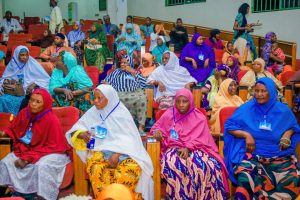
Womenfolk in Sokoto state would continue to be motivated politically under Governor Ahmad Aliyu’s administration.
State APC Publicity Secretary, Mal Mohammed Umar dropped the hint at a one day validation workshop for the baseline survey on women’s participation in politics and decision making held at Karma hotel Sokoto. He noted with admiration that, women occupy key positions in the state that include Commissioners, Special Advisers, Special Assistants and in other government’s agencies and parastatals. Represented by Editor ThePath Newspaper, Junaidu Sambo Wali, the Publicity Secretary told the gathering that a part from these, Governor Ahmad Aliyu led administration also empowers women in skills acquisition and business activities and he will continue to do so in whatever way possible.
Speaking at the occasion, Permanent Secretary state ministry for women and children affairs, Abubakar Alhaji spoke on the importance of women’s roles since from the life time of Holy Prophet Muhammad S A W, citing Nana A’isha and Hafsat of blessed memory. According to him, they played a significant roles particularly in resolving crises after the demise of the Holy Prophet.
The Permanent Secretary also cited Nana Asma’u daughter of Shehu Usman Danfodiyo who contributed immensely in educating women during her life time. The Executive Director of Productive Community for Sustainable Development Initiative, PCSDI, Nura Bello Suleman Tangaza while speaking said the workshop was organised in order to enhance women participation in politics, adding that, it has direct and positive impact in the society.
During the workshop, participants rubbed minds on women’s participation in politics among them was district head of Gagi, Sani Umar Jabbi
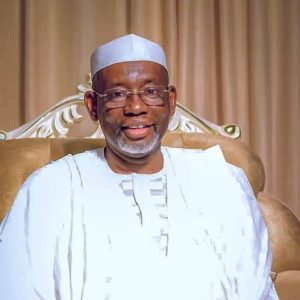
In a society where leadership is often measured by influence and authority, true greatness is better defined by compassion, generosity, and an unwavering commitment to the welfare of the people. These are the qualities that distinguish Aliyu Magatakarda Wamakko, a leader widely regarded as a true man of the masses. His longstanding dedication to charity and humanitarian service has made him a source of hope for thousands of less privileged individuals across his community.
For Senator Wamakko, charity is not an occasional gesture but a deeply rooted value that guides both his public and private life. Over the years, he has consistently demonstrated a strong commitment to supporting the vulnerable, uplifting the poor, and ensuring that no member of society is left behind.
One of the most remarkable examples of his generosity is the regular feeding of thousands of less privileged people at his residence. This initiative has become a lifeline for many families struggling to meet their daily needs. Day after day, countless individuals—young and old—gather to receive warm meals, a gesture that reflects not only generosity but also genuine empathy for the struggles faced by ordinary citizens.
During the holy month of Ramadan, Senator Wamakko’s philanthropic activities become even more visible. Recognizing both the spiritual importance of the period and the economic challenges faced by many households, he distributes clothing materials to thousands of people. This thoughtful gesture enables families to celebrate Eid al-Fitr with dignity and joy, strengthening the spirit of unity, compassion, and community solidarity.
Beyond providing immediate relief, Senator Wamakko has also invested significantly in the future of young people through education. Understanding that education remains the foundation of sustainable development, he has sponsored numerous students to pursue their studies both within Nigeria and abroad. Many beneficiaries of these scholarships have gone on to become professionals in various fields, contributing meaningfully to the development of their communities and the nation at large.
His commitment to development also extends to infrastructure and essential services. Senator Wamakko has facilitated the provision of electrical transformers in several communities, helping to improve electricity supply and stimulate economic activity. For many residents, access to reliable electricity has opened doors to small businesses, improved living standards, and greater opportunities for growth.
These acts of generosity represent only a fraction of his contributions. From humanitarian assistance to community development initiatives, Senator Wamakko continues to demonstrate that leadership is ultimately about service. His consistent efforts to uplift the lives of ordinary people have earned him widespread admiration and respect.
At a time when citizens yearn for leaders who genuinely care about their wellbeing, Senator Wamakko stands as a shining example of compassionate leadership. His unwavering commitment to charity and community development reinforces the belief that true leadership lies not merely in the exercise of power, but in the ability to positively transform the lives of others.
Indeed, through his actions and dedication, Senator Wamakko has proven time and again that he is not just a political figure, but truly a man of the masses.
Sokoto State Governor,Dr
Ahmed Aliyu Sokoto, has approved the early payment of March salaries to all categories of civil servants in the state ahead of the forthcoming Eid al-Fitr celebration.
The payment, which is expected to commence on Friday, March 13, 2026, will cover workers in the State Civil Service, Local Government Councils, Local Government Education Authorities (LGEAs), as well as pensioners across the state.
Governor Aliyu, who is currently in the Holy Land performing the Lesser Hajj (Umrah), said the gesture was aimed at enabling workers to celebrate the Sallah festivities with ease.
He urged civil servants to reciprocate the gesture and other efforts of the state government by remaining dedicated and committed to their duties.
“We expect our civil servants to be punctual, hardworking, committed and above all sincere in the discharge of their responsibilities,” the governor stated.
He noted that civil servants play a crucial role in the actualisation of his administration’s Nine-Point Smart Innovative Agenda, which is designed to ensure a more prosperous and better Sokoto State.
Governor Aliyu further explained that since assuming office, his administration has prioritised the welfare of workers through the prompt payment of salaries, settlement of the backlog of unpaid gratuities inherited from the previous administration, and the timely payment of pensions.
According to him, the government has also reintroduced the payment of monthly imprest to Ministries, Departments and Agencies (MDAs) and created an enabling environment aimed at strengthening the efficiency of the state civil service.
The governor also reiterated his administration’s commitment to building a vibrant workforce through the continuous training and retraining of civil servants, as well as the provision of necessary working tools to MDAs across the state.
He revealed that the state government recently recruited about 3,000 workers, who will be deployed to various MDAs as part of efforts to enhance productivity and ensure effective service delivery across government institutions.
Governor Aliyu said the recruitment exercise has also contributed significantly to reducing unemployment in the state.
He further charged experienced workers across the MDAs to mentor and guide the newly recruited staff in order to strengthen the state civil service and promote efficient service delivery.
The governor also called on workers across the state to continue supporting the present administration in its determination to deliver on its campaign promises under the Nine-Point Smart Innovative Agenda.
He equally expressed appreciation to the people of the state for their continued support, prayers and goodwill toward his administration.
Sokoto State Governor, Dr. Ahmed Aliyu, has reaffirmed his administration’s commitment to unity, inclusiveness, and equal opportunities for all residents of the state.
He made this known when he hosted members of various communities to a Ramadan Iftar organised by the Office of the Special Adviser to the Governor on Resident Communities and IDPs, Hajiya Maryam Suleiman Dmas, at the Sultan Maccido Institute for Qur’an and General Studies auditorium.
The event brought together leaders and members of various resident communities living in Sokoto State, providing them with the opportunity to break their Ramadan fast together in an atmosphere of unity, mutual respect, and peaceful coexistence.
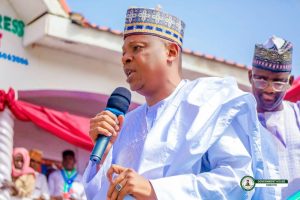
The governor was represented at the event by the Secretary to the State Government, Muhammad Bello Sifawa, who delivered the governor’s message to the gathering.
In his remarks on behalf of the governor, Alhaji Muhammad Bello Sifawa described Ramadan as a period that promotes compassion, generosity, and understanding among people, stressing that the values of the holy month should encourage stronger unity among communities. He conveyed Governor Aliyu’s appreciation to members of the resident communities for the support they gave him during the electioneering campaign, noting that their encouragement and cooperation contributed significantly to his emergence as governor.
According to him, the governor remains committed to running an inclusive government that recognises and respects all communities residing in the state. He further stated that under the present administration, there is no discrimination against any resident community in accessing public services such as education and healthcare. Alhaji Sifawa explained that all residents of Sokoto State are treated equally in schools, hospitals, and other government institutions, regardless of their background or place of origin.
The Secretary to the State Government commended the Office of the Special Adviser on Resident Communities and IDPs for organising the special Iftar, describing it as a commendable initiative that strengthens the relationship between the government and members of the resident communities.
Earlier, the Special Adviser, Hajiya Maryam Suleiman Dmas, said the Iftar was organised specifically for members of the resident communities in the state as part of efforts to promote unity and strengthen their relationship with the state government. She explained that the gathering also provided an opportunity for members of the communities to interact and share the blessings of the holy month of Ramadan together.
Hajiya Maryam Suleiman Dmas commended Governor Ahmed Aliyu for his continued support and commitment to the welfare of resident communities in Sokoto State. According to her, the governor’s inclusive leadership style has continued to strengthen harmony and peaceful coexistence among different communities living in the state.
Representatives of the resident communities who spoke at the event expressed appreciation to the governor for the gesture, describing the special Iftar as a demonstration of respect, recognition, and commitment to inclusiveness.
The event concluded with the presentation of ₦100,000 and ten bags of rice to each residents’ group and association by the Special Adviser on behalf of the state government.
The emergence of Alhaji Haruna S. Adiya as the new chairman of the All Progressives Congress (APC) in Sokoto State marks the beginning of a new chapter for the ruling party in the state.
His assumption of office comes with high expectations from party faithful, stakeholders, and supporters across the 23 local government areas.
At a time when political dynamics continue to evolve, the responsibility before him is both enormous and strategic.
He must provide purposeful leadership that will consolidate the party’s existing structures while positioning it for greater success in future elections.
One of his immediate tasks is fostering unity within the party.
Internal cohesion remains the backbone of any successful political organization, and strengthening harmony among members will be vital to sustaining APC’s dominance in Sokoto State.
The new chairman is also expected to promote inclusiveness. Every segment of the party — from youth groups to women’s wings and elders’ forums — must feel represented and valued in decision-making processes.
Grassroots mobilization will be another critical focus.
The APC’s strength lies in its reach at the ward and local government levels, and revitalizing these structures will help maintain strong connections with the people.
Alhaji Haruna S. Adiya must also prioritize internal democracy. Transparent processes in party affairs will build trust and confidence among members, ensuring that congresses and primaries are conducted in line with the party’s constitution.
Conflict resolution is equally important. Political organizations naturally experience disagreements, to but the ability to manage and resolve disputes fairly will determine the stability of the party under his watch.
Strengthening collaboration with elected officials is another task before him. Working closely with the Governor of Sokoto State, Dr. Ahmed Aliyu, members of the National and State Assemblies, and other political appointees will enhance policy coordination and party cohesion.
The chairman is also expected to consolidate the achievements recorded by the party in recent years. Sustaining momentum requires building on past successes rather than starting afresh.
Engagement with opposition parties must be handled with maturity and strategic communication.
While political competition is inevitable, issue-based engagement and responsible rhetoric will further strengthen the APC’s image.
Another major responsibility is expanding the party’s support base. Reaching out to new members, professionals, community leaders, and youths will broaden the APC’s appeal across Sokoto State.
Political education of members should not be overlooked.
Enlightening party faithful about the party’s ideology, programmes, and policy direction will foster discipline and loyalty.
Financial transparency and accountability within party administration are equally essential. Proper management of resources will enhance credibility and encourage greater participation from stakeholders.
The new chairman must also embrace innovation in political engagement. Utilizing modern communication tools and media platforms can help connect with younger voters and urban populations.
Building strategic alliances within and outside the party structure will further strengthen its influence. Cooperation with traditional leaders, religious scholars, and civil society groups can promote peaceful coexistence and shared development goals.
He must also ensure that party activities align with the aspirations of the people. Policies and programmes supported by the party should reflect the needs of citizens, particularly in areas such as education, healthcare, agriculture, and infrastructure.
Maintaining discipline within party ranks will be another key test of his leadership. Clear guidelines and firm but fair enforcement of party rules will foster order and respect.
As chairman, he carries the responsibility of safeguarding the party’s reputation. Public perception matters in politics, and projecting unity, integrity, and competence will strengthen public confidence.
Furthermore, preparation for future electoral contests must begin early. Strategic planning, data-driven mobilization, and continuous engagement with voters will determine the party’s long-term success.
Ultimately, the task before Alhaji Haruna S. Adiya is one of consolidation, expansion, and transformation.
If he succeeds in uniting members, strengthening structures, and inspiring confidence, the APC in Sokoto State will not only remain formidable but will also set a benchmark for political organization in Nigeria.
As the holy month of Ramadan draws to a close, Muslims around the world enter what is widely regarded as the most sacred period of the month—the final ten days.
These days are marked by intensified worship, deep reflection, and a renewed search for spiritual closeness to God.
Ramadan, the ninth month of the Islamic calendar, is observed by millions of Muslims through fasting, prayer, charity, and self-discipline. However, the last ten nights of Ramadan hold special significance because they are believed to contain Laylat al-Qadr, also known as the Night of Power.
According to Islamic teachings, this night commemorates the moment when the Qur’an, the holy book of Islam, was first revealed to the Prophet Muhammad. The Qur’an describes this night as “better than a thousand nights,” meaning that acts of worship performed during this time carry extraordinary spiritual reward.
Because the exact date of Laylat al-Qadr is not known, Muslims are encouraged to seek it during the odd nights of the final ten days of Ramadan. Many believers increase their acts of devotion during this period by engaging in late night prayers, reciting the Qur’an, and making personal supplications for forgiveness and guidance.
Another important practice during the closing days of Ramadan is I’tikaf, a spiritual retreat observed in mosques. Those who undertake I’tikaf dedicate their time exclusively to prayer, reflection, and reading the Qur’an, temporarily withdrawing from everyday activities in order to focus entirely on their relationship with God.
The last days of Ramadan are also viewed as a special opportunity for repentance and renewal. Muslims believe that sincere prayers during these nights can bring forgiveness of sins and divine mercy. As a result, mosques often become more crowded during late night prayers, and communities gather to worship together in a spirit of unity and humility.
As the final nights pass, Muslims also begin preparing for Eid al-Fitr, the festival that marks the end of the fasting month. The celebration is a time of joy, charity, and communal prayer, but it follows a period of intense spiritual devotion during the closing days of Ramadan.
For many believers, the last ten days of Ramadan serve as a powerful reminder of faith, discipline, and the opportunity for spiritual transformation before the blessed month comes to an end.
How the healthcare reforms of Governor Umar Namadi Danmodi are restoring dignity to the aged while protecting the youngest generation.
By Lamara Garba Azare
In every society, the true character of leadership is revealed not in grand speeches or towering structures, but in how it treats those who can no longer compete in the rush of daily survival. In Jigawa State, a quiet but meaningful transformation is unfolding, one that places dignity, compassion, and human wellbeing at the centre of governance.
Through the J Basic Healthcare Services for Vulnerable Citizens, the administration of Governor Umar Namadi Danmodi has woven a protective safety net around those who often struggle in silence. At the heart of the programme are elderly citizens aged sixty five years and above, men and women whose lives of labour and sacrifice helped build the very communities they now inhabit.
For many elderly citizens, the passage of time often brings not only wisdom but also frailty. The body grows tired, the bones lose their strength, and the cost of maintaining good health begins to rise beyond what many can afford. Years spent cultivating farms, trading in markets, and serving society sometimes end with fragile health and limited financial resources. Yet these are the same men and women who nurtured families, preserved traditions, and sustained the social fabric of their communities.
By guaranteeing free access to healthcare for them, Jigawa State is restoring dignity to ageing. It sends a powerful message that the twilight years of life should not be overshadowed by fear of hospital bills or untreated illness. Instead, they should live with the comforting knowledge that society remembers their contributions and values their presence.
The scale of the initiative reflects both ambition and fairness. A total of 143500 beneficiaries have been enrolled across the state, drawn from all 287 political wards. Each ward accommodates 500 individuals within the programme, ensuring that the benefits reach every corner of the state. Among these beneficiaries are elderly citizens who now have guaranteed access to treatment in primary and secondary healthcare facilities without the burden of financial strain.
This policy goes far beyond the provision of medical services. It represents a redefinition of the relationship between government and the governed. A society that cares for its elderly is one that understands continuity. Elders are not merely older citizens; they are custodians of memory, guardians of tradition, and living bridges between the past and the future. Protecting their wellbeing strengthens the moral foundation upon which communities stand.
Governor Umar Namadi has consistently emphasized that the programme is not an act of charity but a duty of leadership. When elderly citizens receive the healthcare they deserve, families become more stable and communities become stronger. Healthy grandparents remain sources of wisdom and emotional support within households, guiding younger generations with the lessons of experience.
The programme also extends its protective embrace to another vulnerable group, children under the age of five. This thoughtful balance between caring for the oldest and protecting the youngest reflects a deep understanding of social development. Early childhood is a delicate stage of life when illness can shape the course of a child’s future. Access to free healthcare during these formative years can mean the difference between fragile beginnings and healthy growth.
By safeguarding children at the dawn of life while protecting the elderly in their later years, Jigawa State is nurturing the full circle of human existence. It is a reminder that development is not merely about roads and buildings but about the health and wellbeing of people across generations.
The J Basic Healthcare programme was carefully designed to ensure transparency and inclusiveness. Community leaders, civil society organisations, and healthcare workers played key roles in identifying beneficiaries. This grassroots approach not only ensures fairness but also strengthens public confidence in the programme’s implementation.
Beyond this initiative, the state government continues to invest in broader health sector reforms. Primary healthcare centres are being revitalised across communities, new general hospitals are under construction, and specialised services such as free dialysis treatment for renal patients are being provided. Together, these efforts form a comprehensive strategy aimed at improving public health and expanding access to quality medical services.
At a time when rising healthcare costs continue to push many families into poverty, the Jigawa initiative offers a refreshing example of what compassionate governance can achieve. It demonstrates that public policy, when guided by empathy and foresight, can shield vulnerable citizens from hardship while strengthening social stability.
The true impact of the programme will not only appear in official statistics. It will be seen in the elderly farmer who can now manage his blood pressure without worrying about medical bills. It will be felt by the grandmother who visits a clinic without depending entirely on her children for financial assistance. It will be reflected in the laughter of a child whose illness is treated early enough to ensure a healthy future.
These quiet transformations are the building blocks of a healthier society. When the elderly are cared for and children are protected, communities become more resilient and families become more secure. Healthy citizens contribute more productively to society, and productive societies build stronger economies.
Governor Umar Namadi’s approach therefore carries a deeper philosophical meaning. It reminds us that genuine progress is not measured solely by economic statistics or physical infrastructure but by the quality of life enjoyed by ordinary citizens. It shows that leadership guided by compassion can shape policies that preserve dignity while creating opportunity.
In the final analysis, the strength of a society is not measured by the wealth it accumulates but by the care it extends to those who once carried its burdens and those who will inherit its future. By protecting the elderly and nurturing young children, Jigawa State is quietly planting the seeds of a healthier and more humane tomorrow.
Under the watch of a caring leader like Governor Umar Namadi Danmodi, governance takes on a deeper meaning. It becomes not merely the exercise of authority but the practice of service. And when leadership chooses compassion over indifference, it leaves behind something far greater than policy. It leaves behind hope, dignity, and a legacy that generations will remember.
Lamara Garba Azare, a veteran journalist, writes from Kano.
At one time, in the 1980s, Nigeria was categorized as one of the leading countries in the world suffering from childhood killer diseases. These diseases affected many children, a large number of whom eventually died. The problem became endemic and a matter of global concern.
With the help of development partners and the concerted efforts of the Nigerian government, the situation was gradually brought under control. However, over time other health problems began to emerge, becoming a source of concern in the lives of infants and young children. As new challenges affecting early childhood growth appeared, concerns heightened due to the increasing number of children being afflicted.
One of these diseases is poliomyelitis. The virus became widespread in almost all parts of Nigeria. As it continued to ravage the country, crippling large numbers of children, the government realized the need to respond quickly in order to stop its devastating effects on the population of children and young people. The spread of the disease, which later became a major public health crisis, was fueled by ignorance and cultural beliefs.
The parts of Nigeria that suffered the most were states in the North, where some parents viewed the condition as an affliction caused by jinn rather than a disease linked to poor sanitation and hygiene. This mythical explanation gained traction as more children became crippled and disabled.
Because of these unfounded beliefs, it became very difficult to convince parents that their children were being affected by a disease caused by poor hygiene and sanitation. Despite the efforts of the government and various organizations, particularly development partners, attempts to disabuse the minds of parents proved largely unsuccessful due to the strength of these beliefs and the support they received within local communities.
The global campaign to eradicate polio gained momentum in 1988 when the international community launched the Global Polio Eradication Initiative. Nigeria soon became one of the priority countries in the campaign because of the high number of reported cases. Throughout the 1990s and early 2000s, Nigeria remained one of the few countries where polio transmission persisted.
In response, the government, with the support of international partners such as the World Health Organization, UNICEF, and other donor agencies, launched large-scale immunization campaigns aimed at vaccinating millions of children across the country. These campaigns involved extensive logistical planning. Health workers, volunteers, and community mobilizers moved from house to house to ensure that children received the oral polio vaccine. Special vaccination days were organized, during which parents were encouraged to bring their children to designated immunization centers.
However, the campaign faced serious setbacks. In 2003, rumors and misinformation about the safety of the polio vaccine led to resistance in some northern states. Some community leaders believed the vaccine was part of a conspiracy to harm Muslim populations. As a result, vaccination campaigns were temporarily suspended in several areas, causing a resurgence of the disease and even allowing the virus to spread to other countries.
Realizing that medical intervention alone was not sufficient, the government and its partners adopted new strategies that focused on community engagement and public education. Religious leaders, traditional rulers, and respected members of local communities were involved in advocacy efforts to reassure parents about the safety and importance of vaccination.
Gradually, trust began to grow. Public awareness campaigns were intensified through radio programs, community dialogues, and grassroots mobilization. Health workers were trained not only to administer vaccines but also to educate families about hygiene, sanitation, and disease prevention.
These efforts began to produce positive results as the number of polio cases steadily declined. Improved surveillance systems were also introduced to quickly detect and respond to any new outbreaks.
After many years of sustained effort, Nigeria achieved a historic milestone in 2020 when it was officially declared free of wild poliovirus. This achievement marked the end of a long and difficult battle that had lasted for decades. It was not only a victory for Nigeria but also a significant milestone for the African continent, which had struggled with the disease for many years.
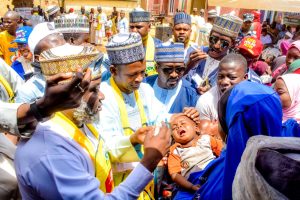
It is against this background of concerted efforts, determination, and commitment that the Sokoto State Government remains vigilant in ensuring that the progress and gains recorded in tackling the menace are not lost. To sustain the momentum, the government has taken proactive measures by engaging its top officials in the ongoing campaign.
In this regard, Governor Ahmed Aliyu rose to the occasion by assigning Commissioners and Special Advisers to coordinate, monitor, and actively participate in the forthcoming round of the National Immunization Days scheduled for March. They have been given a clear mandate to ensure the successful implementation of the vaccination exercise.
Nigeria’s experience with polio therefore, offers important lessons for addressing other public health challenges. It demonstrates the importance of building community trust, strengthening public education, and fostering cooperation between governments and development partners. Although the eradication of wild polio represents a remarkable achievement, the fight against vaccine-preventable diseases must continue. Sustaining strong immunization programs and maintaining public awareness will remain essential to protecting future generations of Nigerian children.
The story of Nigeria’s polio campaign is therefore not only about the eradication of a disease but also about resilience, cooperation, and the collective determination to safeguard the health and future of the nation’s children.
A deep wave of disbelief and sorrow swept through Bayero University, Kano the moment the tragic news began to circulate. Offices fell unusually silent, lectures paused in uneasy whispers, and clusters of staff and students gathered across the campus seeking confirmation of what many feared was true.
Faces reflected shock and grief as the heartbreaking news filtered through the university community that Professor Kabiru Isa Dandago
had passed away. For many, it felt almost unreal that a man whose presence symbolised humility, warmth and intellectual guidance within the institution was suddenly gone.
Professor Kabiru Isa Dandago passed away on Wednesday, 4th March 2026, at the age of 63, leaving behind a legacy defined by scholarship, service and compassion. His departure represents not only the loss of a distinguished Professor of Accounting but also the passing of a man whose life was devoted to the pursuit of knowledge, mentorship and the upliftment of others.
Indeed, his passing marks the quiet departure of a quintessential Dandago, a man whose life was woven with simplicity, sincerity and uncommon generosity.
Those who knew him closely often spoke first of his character before mentioning his impressive academic achievements. Despite his towering reputation as a scholar, Professor Dandago remained remarkably approachable. His friendliness was genuine, his humility disarming and his conduct consistently reflected deep respect for others. Titles and positions never created barriers between him and the people around him.
Whether engaging senior colleagues, junior staff members or students, he displayed the same warmth and simplicity that endeared him to many. Above all, he was deeply God fearing. His life reflected strong moral values rooted in faith, sincerity and compassion. In him, intellect walked hand in hand with humility, and knowledge was always guided by conscience.
His acts of altruistic benevolence knew no bounds.
Just about a week before his passing, an incident occurred that now carries deep emotional significance. Members of our Non Governmental Organization, the Raa’ayi Initiative for Human Development, were mobilising resources for one of our humanitarian traditions. The organisation periodically raises funds to purchase food items for families of deceased colleagues who may be struggling silently after losing their loved ones.
Professor Dandago was among the first to respond.
Not only did he send his contribution promptly, his donation turned out to be the highest among more than one hundred members of Raa’ayi Initiative. Even after making his personal contribution, he encouraged other members to support the project so that the target could be achieved and the families assisted meaningfully.
Unknown to him, he was making what would become his final contribution to the Raa’ayi project.
Today, that gesture stands as a powerful reflection of the generosity that defined his life. The man who was helping families of deceased colleagues did not know that he himself would soon be mourned by the same community. In giving comfort to others, he was unknowingly writing the final line of his own story of kindness.
Within Bayero University Kano, his influence was both profound and lasting. One of the enduring legacies associated with him is the strong mentoring culture within the Faculty of Management Sciences, formerly the Faculty of Social and Management Sciences. Several years ago, he played an important role in strengthening a mentoring system that has since guided many young academics and students.
He believed firmly that institutions grow when experienced scholars patiently guide younger minds. Many lecturers today acknowledge that their professional journeys were shaped by his advice, encouragement and fatherly support.
Another notable contribution under his influence was the introduction of the student ICAN programme. Through this initiative, students were encouraged to pursue professional certification with the Institute of Chartered Accountants of Nigeria while still undertaking their undergraduate studies. Today, more than fifty students have successfully obtained ICAN qualifications alongside their degrees, reflecting Professor Dandago’s vision of producing graduates who are both academically sound and professionally competitive.
According to the Dean of the Faculty of Management Sciences, Professor Muhammad Aminu Isa, the faculty has lost a great pillar whose presence contributed immensely to unity and stability. He noted that Professor Dandago consistently worked towards strengthening cooperation among staff while always seeking ways to advance the growth and progress of the faculty and the university.
Born on April 5, 1963, in Dandago Quarters of Gwale Local Government Area of Kano State, he joined Bayero University in September 1990 and rose through the ranks to become Professor of Accounting in 2007. Over more than three decades of service, he held several academic and administrative positions including Head of the Department of Accounting and later Dean of the Faculty of Social and Management Sciences.
A prolific scholar, he authored over thirty books and published more than eighty five academic articles while supervising numerous postgraduate students, including doctoral candidates. His intellectual contributions extended beyond the university, as he also served as Federal Commissioner at the Tax Appeal Tribunal and earlier as Commissioner for Finance in Kano State.
Only days before his passing, Professor Dandago delivered what would become his final public lecture. On Saturday, 28th February 2026, he spoke at the 10th Ramadan Lecture organised by the Islamic Forum of Nigeria. In that lecture, he reflected on the pathway to economic development of the northern region, carefully identifying the roots of the region’s economic challenges while proposing thoughtful solutions for sustainable progress.
In mourning the distinguished scholar, the Vice Chancellor of Bayero University Kano, Professor Haruna Musa, fsi, described the late Dandago as a complete gentleman, an honest and committed academic whose contributions significantly shaped the growth and reputation of the university.
The Vice Chancellor noted that Professor Dandago was more than a scholar; he was a mentor and a steady hand in university administration whose calm disposition, integrity and willingness to support colleagues earned him admiration across the institution.
“His passing leaves a vacuum that will be difficult to fill,” Professor Musa said, while praying that Almighty Allah forgives his shortcomings and grants him Aljannatul Firdaus.
Thousands of mourners later gathered for his funeral prayers in Kano, reflecting the deep respect and affection he commanded across academic, professional and community circles.
Yet in reflecting on the life of Professor Kabiru Isa Dandago, one timeless truth quietly emerges. Life is not measured by the length of years alone, but by the depth of the footprints one leaves behind. Some lives pass like fleeting shadows, barely touching the edges of memory. Others, like that of Professor Dandago, glow with purpose, kindness and service, leaving behind a light that continues to guide long after the bearer of the light has gone.
Though his years were sixty three, the influence of his life stretches far beyond the boundaries of time. In the minds he shaped, the hearts he inspired and the values he lived by, the quintessential Dandago will continue to endure.
May Almighty Allah forgive his shortcomings and grant him eternal rest in Aljannatul Firdaus. Ameen.
Lamara Garba, Director of Public Affairs, Bayero University, Kano